24 Entryway Storage Ideas That Keep Clutter Out for Good
Your entryway is the hardest working four square feet in the house. Everybody passes through it twice a day, usually in a hurry, usually holding something they want to put down immediately.
That is why entry clutter is not really a tidiness problem. It is a design problem. If there is no obvious place for a backpack, the backpack goes on the floor. Every single time.
So the fix is not another cleaning session. It is giving each thing that comes through the door a home that takes less than three seconds to use. Below are 24 entryway storage ideas that do exactly that, from full mudroom builds to hallways barely wide enough for two people to pass.
Quick answer: what does an entryway actually need?
Four things, in this order. A row of hooks mounted 60 to 66 inches off the floor for adults (about 40 inches for kids). A bench or ledge around 18 inches high so shoes come off sitting down. One closed container per person for the small stuff, plus a tray for keys. And a hard cap on how much lives there: current season only, everything else goes to a closet. Add color and better lighting last, once the storage works.
A few of these need a weekend and a drill. Most take an afternoon. Two of them take about ten minutes.
Bench and Hook Setups That Do Most of the Work
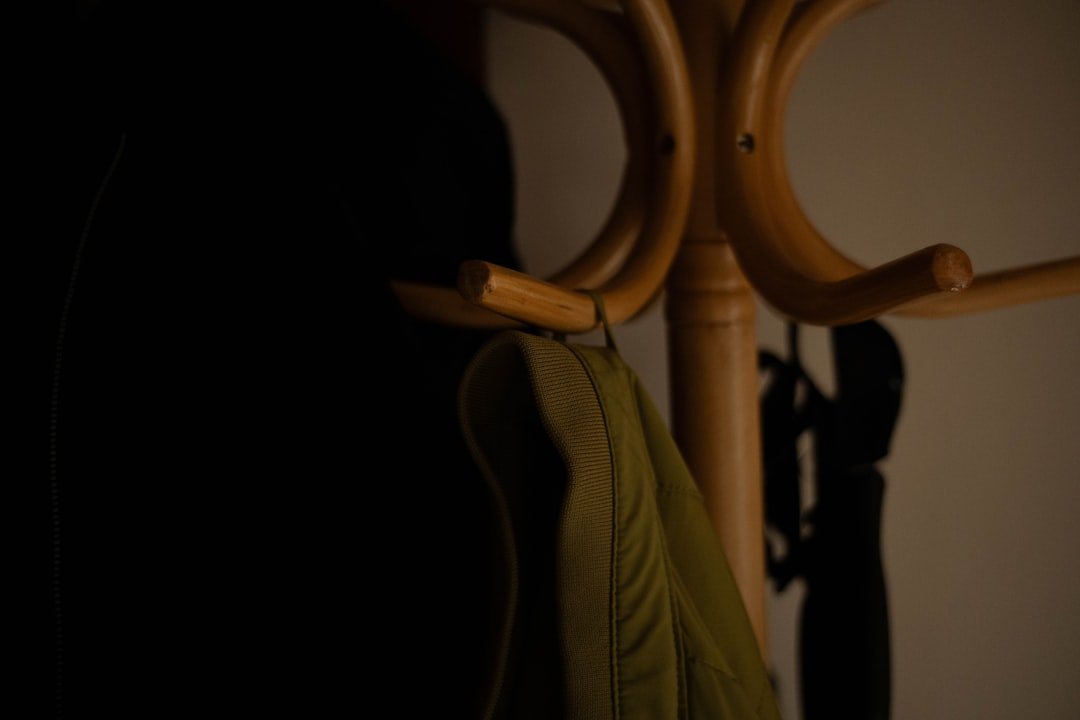
If you only do one thing, do this section. A bench and a hook rail solve maybe 70 percent of entry chaos on their own.
1. The bench plus peg rail combo. This is the classic for a reason. Aim for a bench 17 to 19 inches high (standard seat height, so it is comfortable to sit and pull off boots) and 14 to 16 inches deep. Above it, a simple Shaker peg rail. Wood pegs handle scarves and tote bags beautifully and cost far less than cast metal hooks.
2. Two hook heights, not one. Mount the adult row at 60 to 66 inches and add a second row at roughly 40 to 42 inches for kids. Children will not use a hook they cannot reach, and the low row doubles as a spot for dog leashes and reusable shopping bags.
3. Choose a bench with a closed base. Open cubbies look great in photos and terrible in real life, because you can see every scuffed sneaker. A bench with doors or drawers underneath (the IKEA Pinnig style, or any storage bench with a lift-up lid) hides the mess without adding a second piece of furniture.
4. Put hooks on the back of the door. The overflow trick nobody uses enough. Two or three hooks on the door itself absorb the guest coat, the umbrella, the tote you carry every day. It costs about fifteen dollars and buys you a whole extra hook row.
Built-In Looks You Can Fake with Stock Cabinets
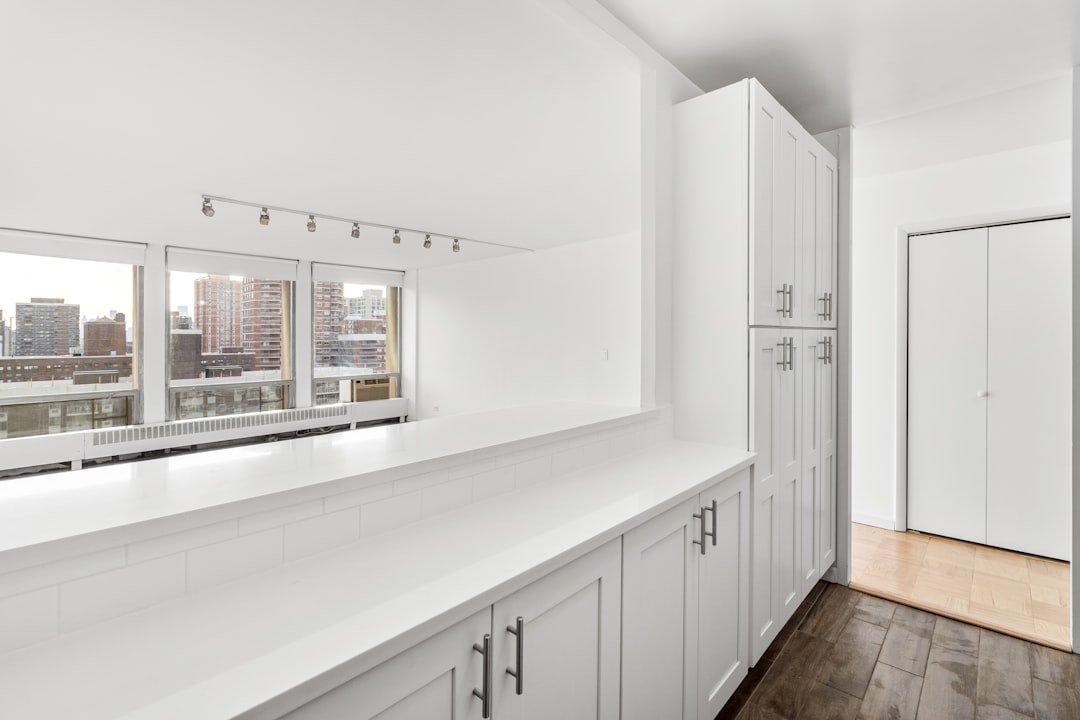
Custom millwork for an entry can run into thousands. You can get 90 percent of the look for a fraction of it, and nobody who visits will ever know.
5. Flank a bench with two tall stock cabinets. Buy two 84 inch pantry cabinets from a big box store, set them a bench width apart, and build a simple bench seat between them. Add a top shelf to bridge the gap and it reads as one built-in unit. This is the single most convincing mudroom fake there is.
6. Turn an IKEA shelving system into lockers. IVAR pine units or PAX wardrobes take custom fronts from companies like Semihandmade, which makes them look like joinery rather than flatpack. Leave the middle section open at bench height and you have lockers with a seat.
7. Board and batten with a shelf on top. Battens every 16 inches, a shelf capping the run at about 66 inches, hooks screwed into the battens (not the drywall between them). It adds architecture to a builder-grade wall and gives every hook a solid anchor point.
8. Paint the built-in the same color as the wall. Nothing makes cabinetry look original to the house like color drenching. Wall, cabinet, and trim in one shade, different sheens. Benjamin Moore White Dove OC-17 (LRV about 85) keeps it airy; Sherwin-Williams Iron Ore 7069 (LRV about 6) makes it look intentional and heavy in a good way.
Slim Ideas for Narrow Entries and Hallways
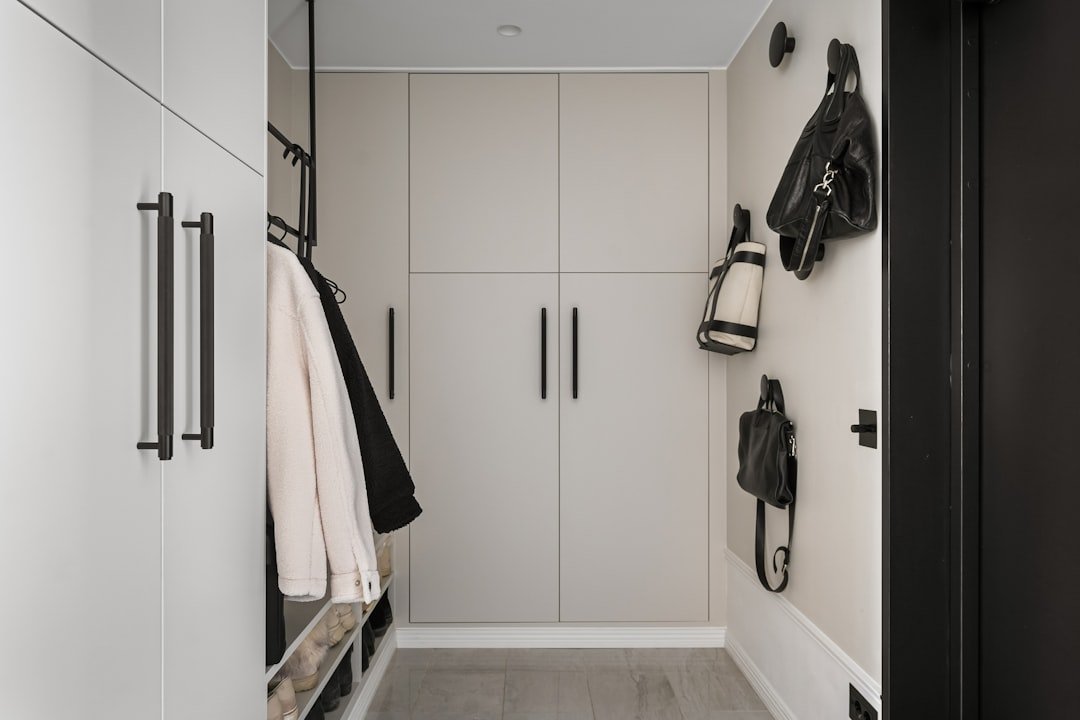
Not everyone has a mudroom. Plenty of us have a door that opens straight into a corridor. These are the ideas that work when you have inches, not feet.
9. Go shallow and go wall-mounted. A wall-hung console 10 to 12 inches deep leaves the floor clear, which is what actually makes a narrow hall feel passable. Anything deeper than 12 inches in a hallway under 40 inches wide will catch shoulders.
10. Float a shelf with a hook rail underneath. One 6 inch deep shelf at eye level, hooks screwed into the underside. Hat and mail up top, coats hanging below, zero floor footprint. This is the ten minute version of an entryway.
11. Ledge shelf plus a mirror. Mirrors do double duty in an entry: last look before you leave, and they bounce daylight down a dark hall. Hang the mirror so its center sits around 57 to 60 inches, and put a narrow picture ledge just below it for keys.
12. Use the vertical inches. The IKEA TRONES cabinet is about 7 inches deep and holds three to four pairs of shoes per unit. Stack two or three up a wall and you have real shoe storage in a space that could not fit a chair. Same logic applies to any tilt-out cabinet.
Baskets, Bins and Trays That Hide the Small Stuff
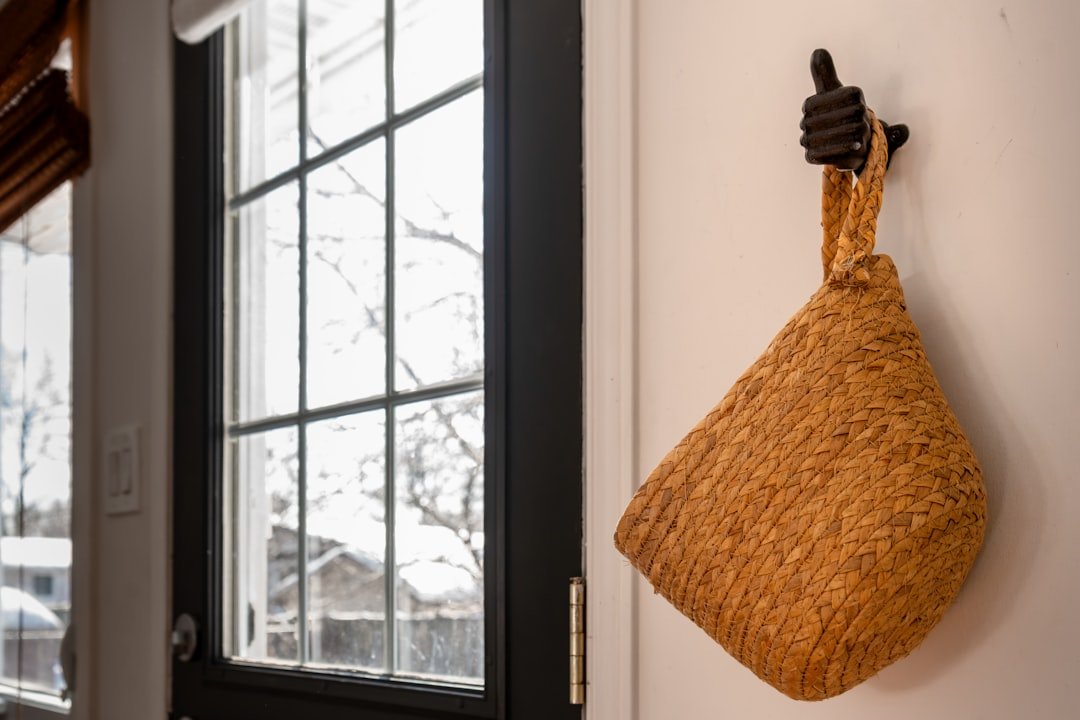
Big items are easy. It is the gloves, chargers, sunscreen, and library books that make an entry look defeated. Containers fix that, but only if you are strict about what they are for.
13. One basket per person. Label it or do not, but the rule holds: your stuff goes in your basket, and when the basket is full you deal with it. Woven seagrass or rattan hides contents better than wire and softens all the hard surfaces in an entry.
14. A lidded box for the ugly essentials. Batteries, spare keys, charging cables, sunscreen, the tape measure that migrates. One lidded box, one shelf, done. Lids matter here: open bins turn into visible junk drawers within a week.
15. A key tray you have to walk past. Small, shallow, and directly in your path. If it is on a shelf behind the door you will not use it. A leather valet tray or a small ceramic dish works better than a bowl, because bowls collect things nobody ever removes.
16. A dedicated bin for the stuff that leaves the house. Returns, library books, the neighbor’s dish. Give outbound items their own container by the door and they actually make it to the car. This one habit does more for entry clutter than any organizer you can buy.
Shoe Storage That Does Not Take Over the Room
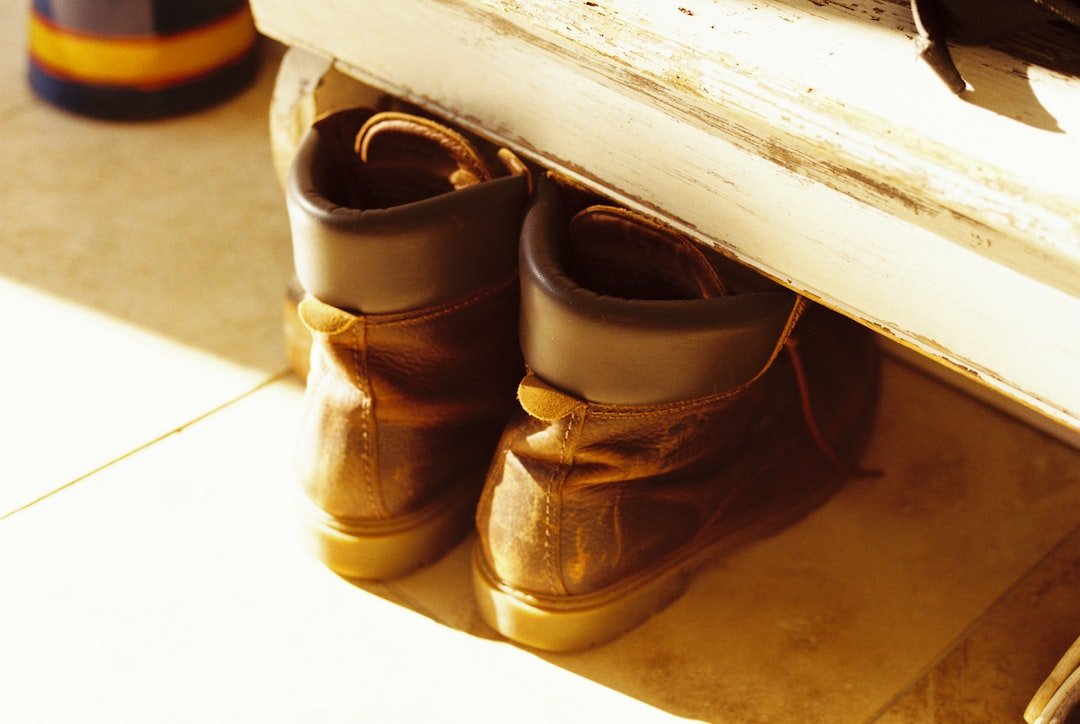
Shoes are the reason most entryways look bad. They multiply quietly and they are almost never put away.
17. Cap the number, not the storage. One pair per person at the door. Everything else lives in a bedroom closet. Any storage system fails if you keep feeding it, and no rack in the world holds fourteen pairs attractively.
18. Tilt-out cabinets beat open racks. The IKEA STALL and HEMNES shoe cabinets are shallow (roughly 7 to 12 inches deep depending on model) and the doors hide everything. Open racks display every scuff mark at knee height, right where guests look.
19. A boot tray with a raised lip. Wet season essential. Metal or rubber, with an actual rim, so melting snow and mud stay on the tray instead of on your floor. Set it beside the bench, not under it, so wet boots are not touching the thing you sit on.
20. Lift the bottom shelf off the floor. Six or seven inches of clearance under your lowest shoe shelf gives you airflow, room for a vacuum head, and a place to kick shoes when you are in a rush. Floor-level shelving traps dust and always looks crowded.
Color and Finish Choices That Make It Look Deliberate

Storage keeps an entry functional. Color is what makes it feel like a room instead of a corridor with hooks in it.
21. Saturate the small space. Entryways are usually windowless, so light paint often just looks gray and sad. Lean into it instead. Benjamin Moore Hale Navy HC-154 (LRV around 6), Farrow & Ball Hague Blue No. 30, or Sherwin-Williams Pewter Green 6208 (LRV around 12) all make a tight entry feel like a decision rather than an afterthought. If you like the deeper end of the palette, the same logic drives our navy living room ideas.
22. Pick one metal and commit. Hooks, door hardware, the light fixture, the boot tray. Matte black is forgiving and hides fingerprints. Unlacquered brass ages into a patina that looks better at year three than year one. Mixing three finishes in four square feet is what makes an entry feel scrappy.
23. Use a tougher sheen than you think you need. Entry walls get scuffed by backpacks, strollers, and wet sleeves. Satin or eggshell on walls, semi-gloss on trim and any wainscoting. Flat paint in an entryway will look tired within a year and cannot be scrubbed.
24. Anchor it with a washable runner and better light. A low-pile runner (roughly 2.5 by 7 or 8 feet for a hall) catches grit before it travels through the house, and it should be machine washable, no exceptions. Add a sconce or a small pendant so you are not relying on one dim ceiling fixture. Warm bulbs around 2700K keep the space from feeling like a hallway in an office. For more of this softer, layered approach, see our neutral living room ideas.
How to Choose the Right Entryway Storage Setup for Your Space
Start with the size of the space, not with a shopping list.
Under 3 feet of usable wall. Wall-mounted only. A hook rail with a shelf above it, a mirror, a shallow tray. Skip the bench and put a stool somewhere nearby instead. Floor space is worth more than seating here.
3 to 6 feet. This is the sweet spot for a bench plus hooks plus two baskets underneath. Add a slim tilt-out shoe cabinet at the end of the run if you have the width.
6 feet or more, or a true mudroom. Now the stock cabinet build makes sense. Give each person a vertical section, put closed storage above eye level for seasonal gear, and keep the bench section open in the middle.
Then account for your household. Kids need low hooks and open bins, because anything with a lid or a latch will not get used. Dog owners need a leash hook and a towel hook near the door. In wet or snowy climates, waterproof surfaces matter more than pretty ones: tile or luxury vinyl over the entry zone, a proper boot tray, and a wall finish you can wipe.
One last thing that has nothing to do with furniture. Do a five minute reset every evening, and do it at the same time (right after dinner works). Storage does not maintain itself, but five minutes a day beats a two hour purge every month. Our guide to stylish home organization ideas covers the same principle for the rest of the house.
Frequently Asked Questions
How high should entryway hooks be?
Mount adult hooks 60 to 66 inches from the floor. That keeps long coats from dragging and clears the top of a bench. Add a second row at 40 to 42 inches if children use the space. If you have a shelf above the hooks, allow at least 12 inches between the hook and the underside of the shelf so hangers and hoods still fit.
What is the best depth for an entryway bench or console?
A bench works best at 14 to 16 inches deep and 17 to 19 inches high. A console in a narrow hallway should stay at 10 to 12 inches deep. Anything deeper than that in a corridor under about 40 inches wide will make the space feel tight and get knocked constantly.
How do I add storage to an entryway with no closet?
Go vertical and go wall-mounted. A hook rail with a shelf above gives you hanging plus surface storage without touching the floor. Add a shallow tilt-out shoe cabinet (around 7 inches deep) and one or two baskets, and you have replaced most of what a coat closet does in a fraction of the footprint.
What color should I paint a small, dark entryway?
You have two good options. Either go bright and reflective with something like Benjamin Moore White Dove OC-17 or Sherwin-Williams Alabaster 7008, paired with a mirror to bounce light. Or go fully saturated with a deep color such as Hale Navy HC-154 or Farrow & Ball Hague Blue No. 30. What usually disappoints is the middle: a mid-tone gray in a windowless entry tends to read flat and muddy.
How do I stop the entryway from getting cluttered again?
Limit what is allowed to live there. Current season coats only, one pair of shoes per person, and one container each for small items. Then add a daily five minute reset. Most entryway systems fail because nothing was ever removed, not because the storage was wrong.
Do I really need a rug by the front door?
It helps more than it looks like it should. A low-pile washable runner catches grit and moisture at the door instead of letting it travel across your floors, and it visually defines the entry as its own zone. Low pile matters: thick rugs jam under doors and hold damp.
What is the cheapest way to add entryway storage?
A hook rail and a single floating shelf, both mounted into studs. That combination handles coats, bags, hats, and mail for well under a hundred dollars in most cases, and it takes about an hour. Add a thrifted tray for keys and you have covered the essentials.
Making It Yours
The best entryway is not the one with the most storage. It is the one where putting things away takes less effort than dropping them on the floor.
Start with hooks at the right height and a place to sit. Add closed storage for the small things. Then paint it a color you actually like, because you walk past it more than any other wall in your home. For more color-led projects room by room, browse our home organization and decor category.