18 Mudroom Ideas for a More Organized, Welcoming Entry
Quick answer: A good mudroom needs four things: a place to sit, a place to hang everyday gear, closed storage for visual clutter, and a floor that can handle dirt and moisture. Start with those functions, then add color, lighting and decorative details so the room feels like part of the home instead of a utility zone.
Mudrooms are working harder in 2026. They are no longer just back-door drop zones; the best ones combine practical storage with the warmer, more collected materials showing up across U.S. interiors right now.
Houzz’s current 2026 entryway coverage repeatedly highlights ceiling-height cabinetry, built-in benches, hooks, baskets, durable floors and compact drop zones. Its broader fall design report also points to warm wood, earthy color, natural materials and layered character as the new baseline for interiors. Those two directions fit mudrooms particularly well because the room has to be durable without feeling cold.
On this page
- Mudroom storage ideas
- Layout and seating ideas
- Floors, walls and materials
- Color and lighting
- Small mudrooms and shared spaces
- Common mistakes
- FAQ
Mudroom Storage Ideas That Keep Daily Clutter Under Control
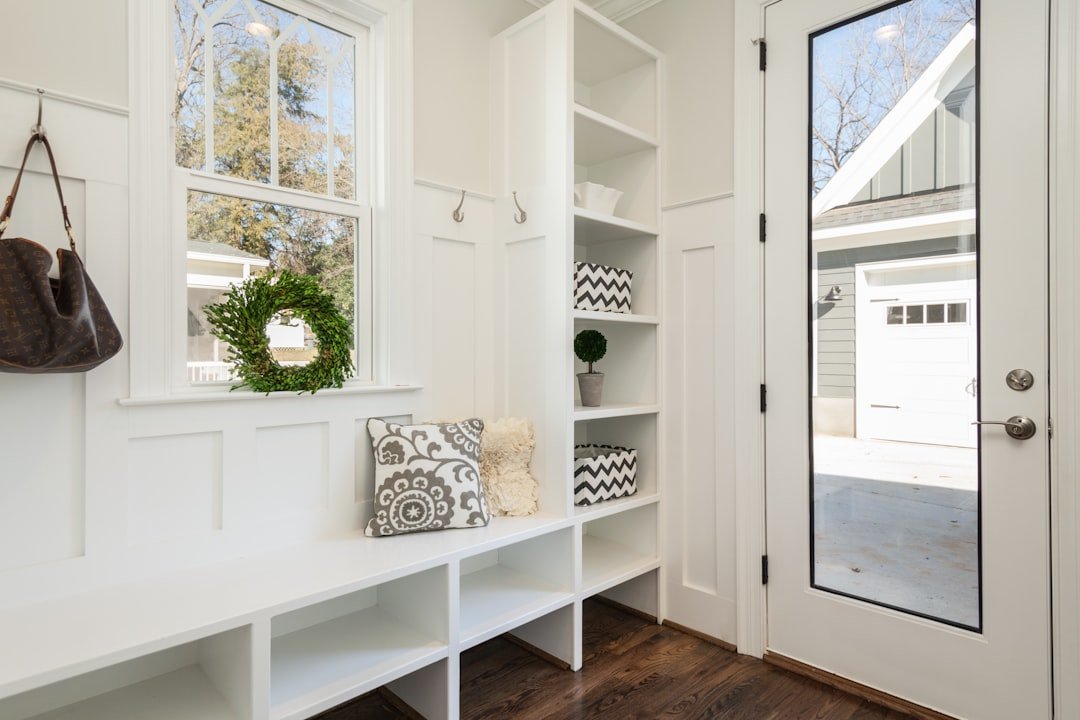
1. Build a bench with drawers below
A bench makes shoe changes easier, but the space underneath should work too. Deep drawers are ideal for shoes, pet gear, sports accessories and reusable bags because they keep the floor visually clear.
2. Combine open hooks with closed cabinets
Open hooks are faster for the coats and bags you use every day. Closed cabinets are better for seasonal jackets, helmets and bulkier gear. Mixing both usually works better than committing to one storage type across the whole wall.
3. Give each person one defined zone
For families, divide one long storage wall into vertical sections. One hook zone, one drawer or basket, and one upper shelf per person is easier to maintain than a single shared pile of shoes and bags.
4. Take storage all the way to the ceiling
Use upper cabinets for things you do not need every day: seasonal accessories, picnic gear, off-season shoes or extra household supplies. This keeps high-value lower storage free for daily use.
5. Add a shallow drop zone for keys and mail
A narrow drawer, 10- to 14-inch-deep counter or small wall shelf is enough for keys, sunglasses and incoming mail without creating a full desk that quickly becomes a clutter magnet.
If the main issue is general entry clutter rather than a dedicated mudroom, our entryway storage ideas cover flexible solutions for hallways and front doors.
Mudroom Layout and Seating Ideas
6. Put the bench nearest the door you actually use
Plan for the household’s real traffic pattern, not just the prettiest wall. The bench and hooks should sit where shoes, coats and bags naturally come off.
7. Use a corner bench in a square room
An L-shaped bench can turn an awkward corner into useful seating while keeping the center walkway open. Use the return side for less-frequently used storage so the main run stays easy to access.
8. Leave enough clear floor for wet shoes and bags
Do not fill every wall and corner with cabinetry. A mudroom needs a landing area where two people can enter, set things down and move around without blocking drawers or doors.
9. Add a standing-height counter when space allows
A short run of countertop can handle grocery bags, packages, pet supplies or school papers. Houzz’s 2026 mudroom coverage includes compact examples where a small counter complements bench seating rather than replacing it. See the current Houzz entryway and mudroom roundup.
Choose Materials That Can Handle Real Life
10. Use durable tile near exterior doors
Porcelain, stone-look porcelain and properly sealed natural stone are practical where wet shoes, sand and road salt are common. Choose a finish with some grip rather than a highly polished surface in a frequently wet entry.
11. Add washable wall protection
Wainscoting, beadboard or durable wall paint can protect lower walls from backpacks, shoes and pets. For a more architectural approach, see our wainscoting ideas.
12. Use wood where hands touch, not where boots land
Warm oak or walnut on a bench seat, shelf or cabinet detail brings character without putting a sensitive material directly in the wettest part of the room.
Mudroom Color and Lighting Ideas
13. Try deep green, brown or blue cabinetry
Mudrooms are good places for richer color because the cabinetry is usually broken up by hooks, baskets and bench openings. Olive, forest green, deep navy and chocolate brown pair naturally with wood and stone.
For a warmer green direction, our olive green decor ideas show how to balance green with cream, brass and wood.
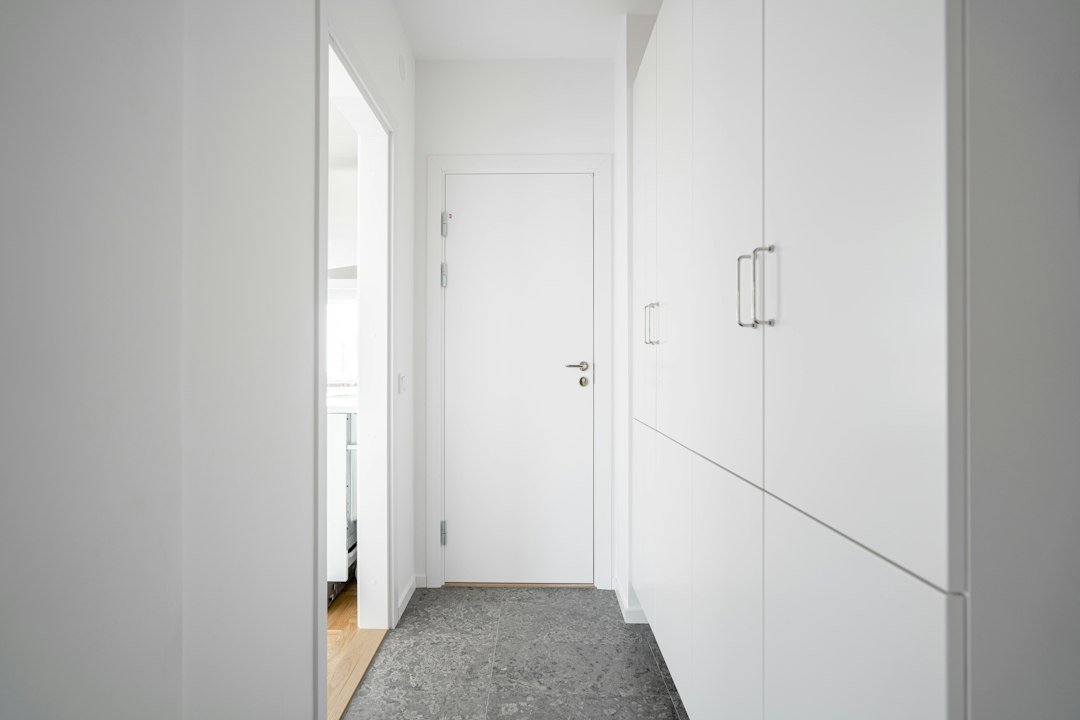
14. Use a warm neutral for a quieter room
Mushroom, taupe, creamy beige and soft greige make practical cabinetry feel more like furniture. These colors also connect easily to the warm-neutral palettes used throughout the rest of the house. See our warm neutral home decor ideas for related combinations.
15. Add layered lighting instead of one harsh ceiling light
A flush mount or pendant handles ambient light, while integrated cabinet lighting or a small wall sconce makes hooks and cubbies easier to use. Warm lighting also keeps dark cabinetry from feeling heavy.
Small Mudroom Ideas and Shared-Space Solutions
16. Turn a hallway into a mini mudroom
You do not need a dedicated room. A shallow bench, a row of hooks and a narrow upper shelf can create a functional drop zone along one hall wall.
17. Combine the mudroom with the laundry room
This works especially well near a garage or back door. Keep dirty shoes and outdoor gear toward the entrance side and laundry sorting or folding farther into the room so the two jobs do not compete.
For tighter shared spaces, our small laundry room ideas cover vertical storage, folding surfaces and compact layouts.
18. Use freestanding furniture if built-ins are not realistic
A sturdy bench, wall-mounted hooks, baskets and a shallow cabinet can replicate most of the function of custom millwork. This is also the better option for renters or homes where future flexibility matters.
Houzz’s current trend reporting supports this broader shift toward warmer, more personal interiors built from natural materials, useful objects and character-rich details rather than showroom-perfect minimalism. See the 2026 U.S. Houzz Fall Design Trends Report.
Common Mudroom Mistakes
Making every storage compartment open
Open storage looks great when lightly styled but gets visually noisy fast. Keep quick-access items open and hide backup supplies, seasonal gear and miscellaneous clutter behind doors or drawers.
Forgetting a place for wet items
Leave room for damp boots, umbrellas and coats to dry without touching finished wood or upholstered seating. A boot tray, ventilated cubby or washable mat can solve this cheaply.
Choosing a beautiful floor that is too delicate
The mudroom is one of the most abused floors in the house. Prioritize durability, traction and ease of cleaning before pattern or color.
Adding storage without measuring what you own
Measure the longest coats, tallest boots, backpacks and sports bags before setting shelf heights or drawer depths. A perfectly symmetrical built-in that does not fit the household’s actual gear is not efficient.
Mudroom Ideas: FAQ
What should every mudroom have?
At minimum, include hooks or hanging storage, shoe storage, a bench or perch, and a durable floor. Closed storage, a drop zone and good lighting make the room easier to maintain.
How deep should a mudroom bench be?
A bench around 16 to 20 inches deep is comfortable for most adults while still fitting many compact entries. Confirm the final depth against your walkway and any cabinet or door swings.
What is the best flooring for a mudroom?
Porcelain tile is one of the easiest low-maintenance options because it handles water and grit well. Sealed natural stone can also work beautifully but usually needs more maintenance.
Can a laundry room also be a mudroom?
Yes. It is a common combination near garage and back-door entries. Separate the wet/dirty arrival zone from folding and laundry storage as much as the footprint allows.
How do I create a mudroom without a dedicated room?
Use one entry wall for a shallow bench, hooks, baskets and an upper shelf. A console or freestanding cabinet can provide closed storage without construction.
Where to Start
Watch the entry for a few days before buying anything. Notice where shoes pile up, where bags get dropped and which coats stay out all week. Build storage around those habits first, then add the color, material and decorative layers that make the space feel welcoming.
For more practical organization ideas, explore our stylish home organization ideas.