
22 Brown Living Room Ideas That Feel Rich, Not Heavy
Quick answer: A brown living room feels current when the brown is rich and intentional, not spread evenly across every surface. Use chocolate, espresso, tobacco, walnut, or caramel as the anchor; lighten it with cream or warm white; add one cooler or fresher accent such as dusty blue, olive, or muted pink; and use several textures so the room has depth. In 2026, deep brown is especially relevant: Benjamin Moore named espresso-charcoal Silhouette AF-655 its Color of the Year.
Brown is back in living rooms, but it does not look like the flat tan-and-espresso rooms of the early 2000s. The newer version is deeper, more layered, and much more natural: walnut furniture, chocolate walls, camel leather, tobacco-toned textiles, aged brass, creamy upholstery, and enough contrast to keep everything from merging into one muddy block.
That shift is showing up across 2026 color forecasting and designer coverage. Benjamin Moore describes Silhouette AF-655 as a blend of burnt umber and charcoal, while current designer trend reporting is also leaning toward chocolate, chestnut, dark wood, and richer earthy neutrals. Brown works because it can behave like a neutral while still giving a room more character than beige or gray.
The key is balance. These 22 brown living room ideas focus on the parts that actually decide whether the room looks warm and collected or simply dark.
1. Start With Chocolate Brown, Then Add Cream
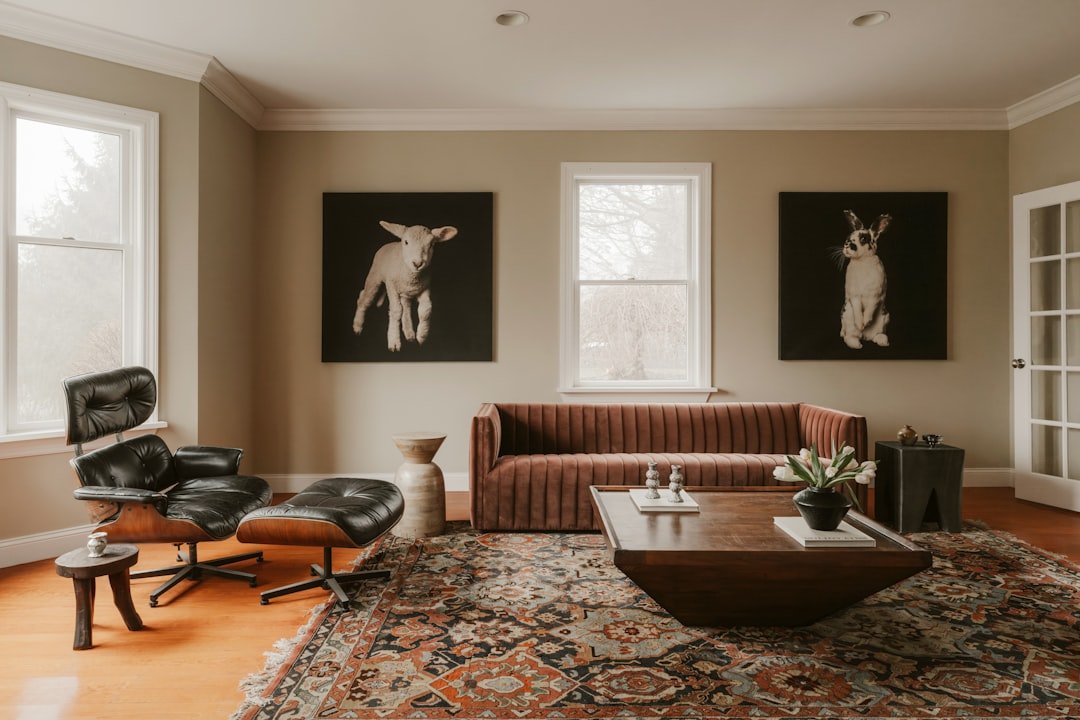
Chocolate and cream is the safest high-contrast brown palette. The brown gives the room weight; cream keeps it breathable. If you are painting all four walls dark, use the lighter color on the sofa, curtains, rug, ceiling, or several of those surfaces at once.
Do not use stark blue-white beside a warm chocolate unless you specifically want a sharp graphic contrast. A softer off-white usually looks more settled. Benjamin Moore pairs its 2026 brown Silhouette AF-655 with Swiss Coffee OC-45 in its official Color Trends palette, which is a useful example of the dark-brown-plus-soft-white relationship.
2. Let Espresso Brown Replace Black
Very dark brown can do nearly everything black does in a living room, but it is less severe next to wood floors, linen, wool, and warm metals. Use it on a media cabinet, built-ins, interior doors, or a fireplace surround when full brown walls feel like too much commitment.
Deep espresso is especially useful in rooms with traditional details. It makes molding, bookshelves, and paneling feel intentional without pushing the room into stark black-and-white contrast.
3. Use Walnut as a Color, Not Just a Material
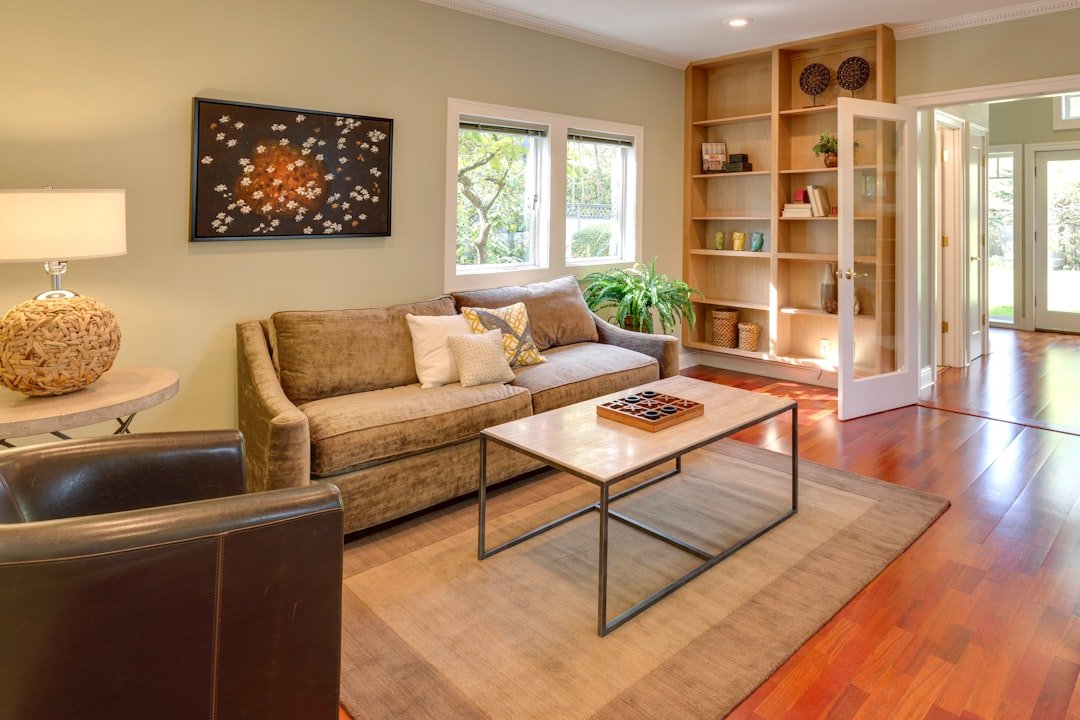
If you already have walnut or medium-dark wood furniture, you may not need brown paint at all. A walnut console, coffee table, bookcase, or pair of side chairs can establish the palette while cream walls keep the room bright.
Repeat the wood tone at least twice. One dark walnut table in an otherwise pale room can look stranded; a second note in a frame, lamp base, shelving unit, or chair leg makes the choice feel deliberate.
4. Pair Brown With Dusty Blue
Brown and blue work because they balance temperature. Chocolate, chestnut, and tobacco are visually warm; dusty blue or muted denim introduces a cool counterpoint without making the room feel cold. Try blue in pillows, an occasional chair, art, or a patterned rug rather than forcing it onto every surface.
This pairing also solves a common problem in brown rooms: too much yellow. A small amount of blue makes warm woods and leather look richer instead of orange.
5. Add Olive for an Earthier Palette
Olive is one of the easiest colors to place beside brown because the combination already exists in nature. A brown sofa with olive pillows, a chocolate wall behind an olive chair, or walnut furniture against muted green accents gives you color without losing the grounded quality that makes brown appealing.
If you want a greener room overall, compare the approach with our sage green living room ideas. Sage creates a softer, airier result; olive and brown are deeper and more autumnal.
6. Bring in Muted Pink or Clay
Brown does not have to stay masculine or rustic. Dusty pink, clay, plaster pink, and muted rose soften chocolate beautifully. Keep the pink slightly gray or earthy rather than candy-bright. It can appear in a chair, cushion, lamp shade, small painted cabinet, or a single piece of art.
For a warmer version, use terracotta instead. Brown plus terracotta works especially well with linen, oak, aged brass, and handmade ceramics.
7. Try Color Drenching in a Small Living Room
A small room does not automatically need pale paint. Dark brown on the walls, trim, doors, and even the ceiling can blur boundaries and make a compact living room feel more enveloping. The trick is to build the lighting plan at the same time: table lamps, floor lamps, wall lights, and reflective surfaces are not optional in a dark-drenched room.
If your goal is to make the footprint read larger rather than cozier, our guide to small living room color ideas covers lighter and lower-contrast strategies too.
8. Keep the Ceiling Light for an Easier Dark-Wall Look
If full color drenching feels risky, stop the brown at the walls and keep the ceiling warm white. This creates a visual release overhead and is usually easier in rooms with eight-foot ceilings or limited daylight. Carry the brown onto baseboards or door casings if you want the walls to feel more finished without darkening the ceiling.
9. Use a Brown Sofa as the Anchor
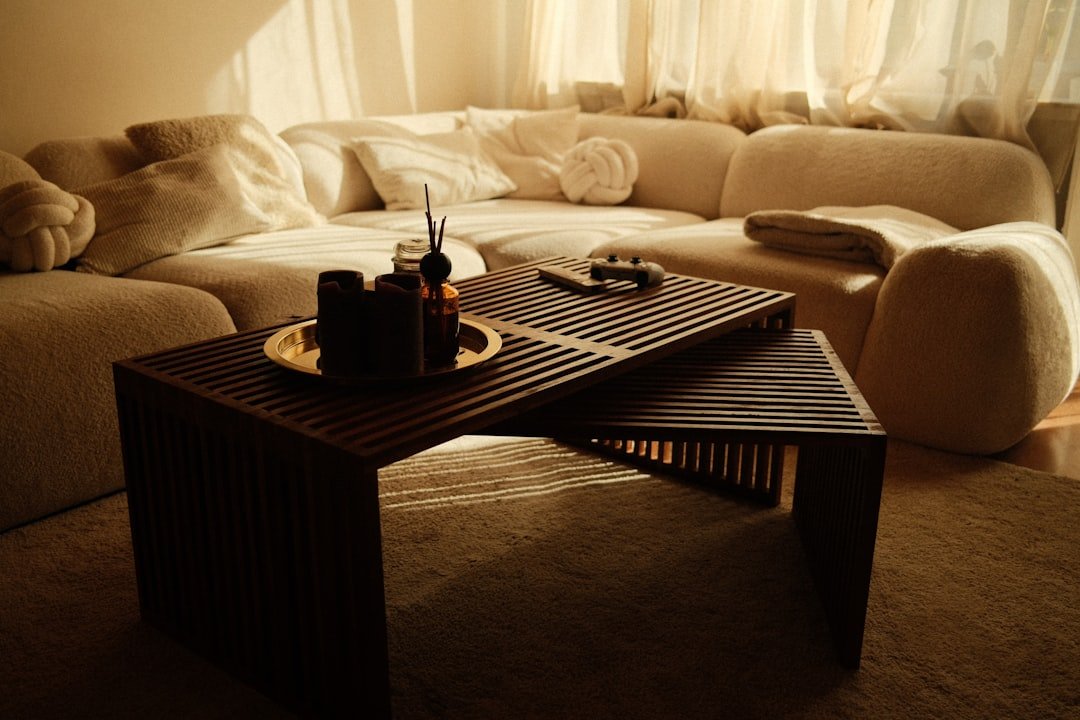
A brown sofa is easiest to style when the largest surface behind it is lighter. Cream, mushroom, warm off-white, muted green, and pale blue all give the sofa enough separation. Put another mid-tone brown nearby—perhaps in a wood table or patterned rug—so the sofa does not look like the only heavy object in the room.
For leather, compensate for the smooth surface with fuzzy, woven, or nubby materials: wool, boucle, linen, mohair, jute, or a thick cotton throw.
10. Make Camel Leather Feel Modern
Camel leather can skew farmhouse if it is surrounded by black metal, distressed wood, and lots of signage. To modernize it, pair it with cleaner silhouettes, plaster or limewash walls, walnut, a low-pile wool rug, and a sculptural lamp. Keep the palette quiet and let the leather provide the warmth.
11. Use Brown Velvet for a Softer Look
Velvet changes brown completely because the pile catches light. Chocolate velvet can look nearly black from one angle and coppery from another, so it has more movement than flat brown upholstery. It is especially good for an accent chair or sofa in a room that otherwise uses matte walls and natural wood.
12. Layer Several Browns Instead of Matching Them
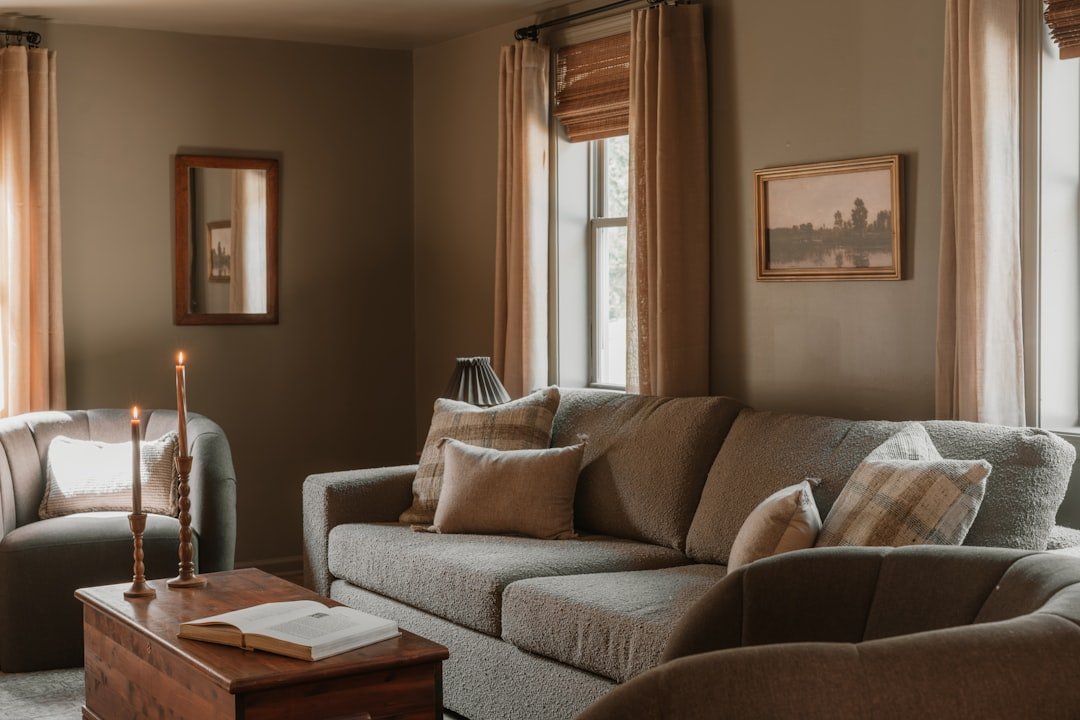
A brown room gets flat when everything is the same mid-tone. Instead, build a range: espresso, walnut, caramel, camel, tan, mushroom, and cream. You want clear steps from dark to light.
A simple rule is to use one dark brown anchor, one medium brown material, and one pale neutral. For example: espresso built-ins, walnut table, cream sofa. Or chocolate sofa, oak table, ivory rug.
13. Mix Brown With Black Carefully
Black is not forbidden in a brown room; it just needs restraint. Use it for thin lines—picture frames, a lamp stem, fireplace tools, window mullions—rather than competing large masses. The black sharpens the room while the brown keeps it warm.
14. Choose Brass Over Bright Chrome
Aged or brushed brass naturally reinforces brown’s warmth. It works on lamps, cabinet hardware, curtain rods, and small tables. Polished chrome can still work if the room needs a cooler edge, but brass is the lower-risk option with chocolate and walnut.
15. Let the Rug Break Up the Brown
Do not put a flat dark-brown rug under a dark-brown sofa unless the rest of the room is deliberately monochromatic. A lighter rug with cream, faded blue, rust, olive, or muted red creates separation at floor level.
In larger rooms, a patterned vintage-style rug is useful because it can repeat several colors at once and tie together wood, upholstery, and wall paint.
16. Add Pattern So the Room Does Not Feel Too Serious
Brown can become formal quickly, especially with traditional wood furniture. Pattern loosens it up. Try a small-scale stripe, block print, plaid, botanical, or geometric on curtains, a chair, or cushions. The pattern should introduce at least one color besides brown so the room does not feel themed.
17. Use Brown Curtains for a Soft Drenched Effect
If you love the idea of a cocooning room but do not want to repaint, curtains in a brown close to the wall color can create a similar continuous effect. Hang them high and wide, and choose enough fabric for generous fullness. Linen gives a relaxed look; velvet produces more drama and absorbs more light.
18. Add Texture Before You Add More Decor
Before buying another vase or tray, check whether the room has enough material variety. Brown benefits from texture more than almost any neutral. Mix smooth leather with wool, matte paint with polished wood, woven baskets with metal, or linen with velvet.
This is the same principle that keeps a beige room from going flat. Our neutral living room guide goes deeper on texture layering and contrast.
19. Use Warm White Light at Night
Brown can go murky under cool lighting. For a cozy residential living room, warm-white bulbs around 2700K are a reliable starting point. Spread the light across at least three sources instead of relying only on one ceiling fixture: table lamp, floor lamp, and either a wall light or overhead source.
Dark walls absorb more light than pale ones, so add lamps before deciding the paint is “too dark.” The room may simply be under-lit.
20. Make a Rental Brown Without Painting
Renters can use the palette through removable pieces: a chocolate throw, walnut side table, brown-and-cream rug, leather ottoman, woven shades, warm wood frames, and rust or olive pillows. Concentrate the brown in two or three medium-to-large items instead of scattering dozens of tiny accessories around the room.
For more low-commitment ideas, see our apartment decor ideas for renter-friendly lighting, storage, rugs, and wall treatments.
21. Shift Brown With the Seasons
Brown is unusually easy to keep year-round. In spring, add pale blue, soft green, or ivory. In summer, use linen, rattan, and lighter woods. In fall, lean into rust, ochre, olive, and plum. In winter, bring in wool, velvet, deep red, and heavier curtains.
If you are specifically planning a fall refresh, our autumn color palettes show how rust, olive, ochre, navy, and warm neutrals can work together.
22. Test Brown in Your Actual Light Before Committing
Brown changes dramatically with light. A shade that looks like rich cocoa in a bright showroom can go nearly black in a north-facing room, while a red-brown can turn noticeably warmer in late-afternoon sun. Paint a large sample on at least two walls and view it in morning daylight, afternoon daylight, and at night with your normal lamps on.
Also compare the sample directly with fixed finishes—flooring, fireplace stone, large furniture, and wood trim. Those materials are already voting on the room’s undertone.
Brown Paint Colors Worth Sampling
Instead of treating “brown” as one color, start with the mood you want:
- Deep espresso: Benjamin Moore Silhouette AF-655, described by the brand as burnt umber with charcoal notes.
- Warm tan: Benjamin Moore Sherwood Tan 1054, part of the same 2026 trend palette and useful when you want brown warmth without a very dark room.
- Warm khaki-neutral: Sherwin-Williams Universal Khaki SW 6150, the brand’s 2026 Color of the Year, for a lighter, quieter interpretation of the earthy-neutral shift.
Screen colors are not reliable enough for a final decision. Always sample the actual paint in the room.
Frequently Asked Questions
What colors go best with brown in a living room?
Cream, warm white, dusty blue, olive green, muted pink, terracotta, rust, and soft black all work well. For the easiest palette, combine brown with cream and one accent color.
Are brown living rooms in style in 2026?
Yes. Brown is prominent in 2026 color forecasting and current designer coverage, especially deeper chocolate, espresso, chestnut, and dark wood tones. Benjamin Moore’s 2026 Color of the Year, Silhouette AF-655, is an espresso-brown shade with charcoal notes.
How do you make a brown living room look modern?
Use cleaner furniture lines, fewer small accessories, strong light-dark contrast, and natural materials. Mix brown with cream, walnut, linen, wool, and one cooler accent rather than matching every brown surface.
How do you brighten a dark brown living room?
Use a pale rug, cream upholstery, a lighter ceiling, mirrors or reflective metal, and several warm light sources. Keep windows visually open and avoid putting dark brown on every large surface.
What wall color works with a brown sofa?
Warm off-white, mushroom, pale greige, soft sage, dusty blue, and muted clay can all work. Choose based on the sofa’s undertone: reddish brown likes earthy greens and warm whites, while cooler espresso can handle blue-gray and charcoal accents.
Can you mix different shades of brown?
Yes, and the room usually looks better when you do. Aim for clear tonal separation: one dark brown, one medium wood or camel tone, and one pale neutral rather than several almost-identical mid-browns.
Pulling the Room Together
The easiest brown living room starts with one decision: where will the brown live? If it is on the walls, keep the biggest upholstered pieces lighter. If the sofa is dark brown, give it a lighter backdrop. If the color comes mainly from walnut furniture, repeat that wood tone and let textiles introduce the softer shades.
Brown works best when it has something to push against—cream for light, blue or green for freshness, brass for warmth, and texture for depth. Build those relationships first, and the room will feel collected rather than simply brown.
For more room-by-room palettes, browse the full living room color ideas collection.