
20 Living Room Lighting Ideas for a Warm, Layered Space
Good living room lighting is rarely about finding one perfect fixture. The rooms that feel most comfortable after sunset usually combine several smaller sources at different heights: an overhead light for general brightness, lamps for reading and conversation, and softer accent light that keeps corners and walls from disappearing.
That layered approach is especially useful now that living rooms do more than one job. The same space may need bright, even light for cleaning or homework, focused light for reading, and low, warm light for winding down. These living room lighting ideas focus on practical placement, comfortable color temperature, glare control and fixtures that still look good when they are switched off.
Quick answer: how should you light a living room?
Use at least three layers: ambient light for the whole room, task lighting near seats or work areas, and accent lighting for walls, shelves or architectural details. Keep the sources at different heights, choose dimmable bulbs where possible, and use warmer light for evening comfort. The U.S. Department of Energy notes that 2700K light reads as warm and friendly, while 3000K is still warm but slightly crisper.
1. Build the room around layers, not one ceiling light
A single bright fixture can make a living room feel flat because every surface is lit from the same direction. Start with a general light source, then add table lamps, floor lamps or sconces so brightness comes from several heights.
This also gives you control. You can use all layers when the room needs to be functional, then switch off the overhead source in the evening and keep only lamps and sconces on.
2. Use warm white bulbs for evening comfort
For most living rooms, 2700K to 3000K is a useful starting range. The U.S. Department of Energy describes 2700K as warm and friendly and 3000K as warm and pleasing. That range works especially well with wood, cream, brown, olive, terracotta and other warm finishes.
Do not mix very warm and very cool bulbs in the same sightline unless there is a specific functional reason. The mismatch is much more noticeable at night.
3. Put a floor lamp beside the main reading seat
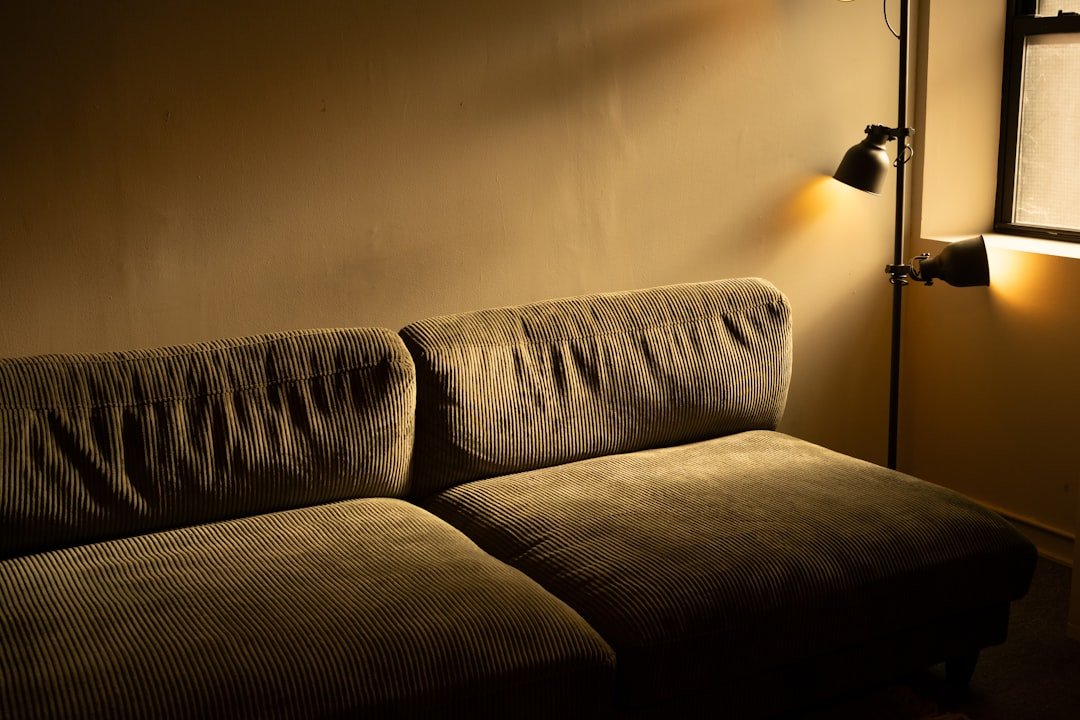
A floor lamp is one of the easiest ways to add useful light without changing wiring. Place it beside or slightly behind a sofa or armchair so the beam reaches the page without shining directly into your eyes.
Arc lamps can work over larger seating zones, while a narrow upright lamp is better for tight corners. In a compact room, choose a base that can tuck partly under a side table.
4. Add matching table lamps for calm symmetry
Two lamps at opposite ends of a sofa can make a living room feel more settled, especially when the furniture arrangement is formal or balanced. They do not have to be identical, but keeping the shade scale and bulb warmth similar helps them read as a pair.
If your room is intentionally collected rather than symmetrical, use lamps that share one trait, such as linen shades, brass details or dark ceramic bases.
5. Use wall sconces where floor space is tight
Sconces are especially useful beside a sofa, built-in shelves or a reading chair because they provide light without taking up end-table or floor space. Plug-in sconces are a renter-friendly option when hardwiring is not practical.
Position them so the brightest part of the bulb is not directly at seated eye level. A shade, diffuser or frosted globe can soften glare.
6. Put overhead lighting on a dimmer
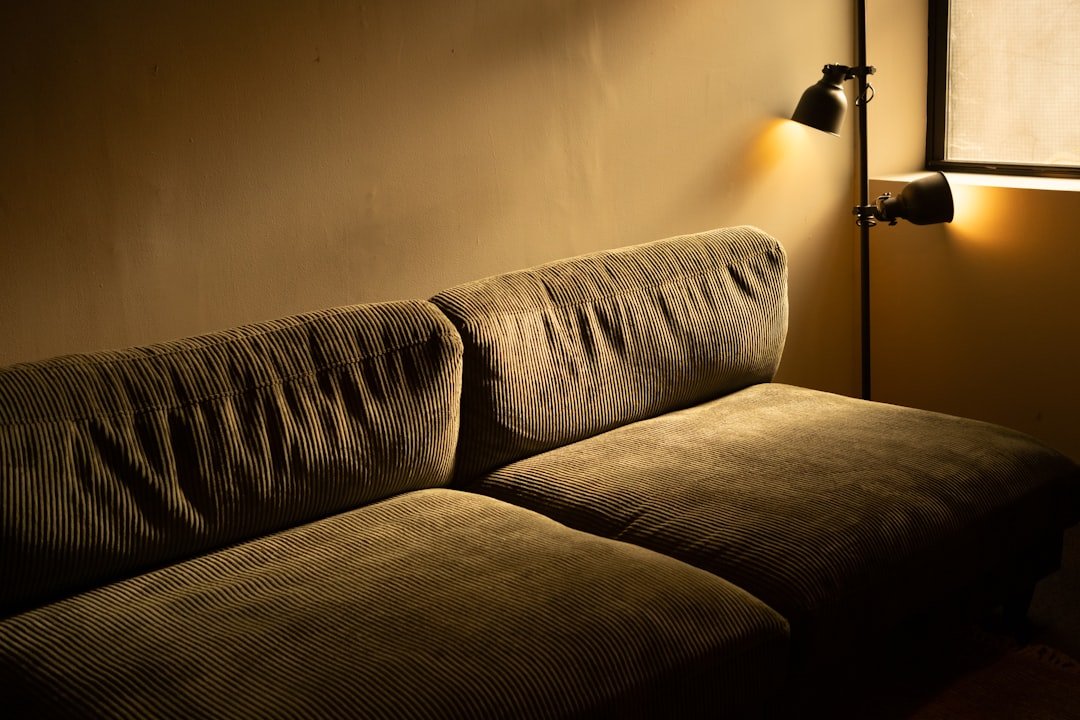
An overhead fixture is useful for cleaning, entertaining and general visibility, but full brightness is often too harsh for relaxing. A compatible dimmer lets one fixture do more than one job.
Check that the bulb and dimmer are designed to work together. If you are changing hardwired controls, follow the fixture manufacturer’s guidance and use a qualified electrician when the installation requires it.
7. Choose a sculptural fixture that works even when off
One of the clearest 2026 lighting directions is treating fixtures as decorative objects rather than purely functional hardware. Martha Stewart’s 2026 lighting trend coverage highlights materials such as alabaster and patterned shades, while current design collections continue to favor sculptural forms and diffused light.
In a living room, let the statement fixture anchor the seating area, then keep the secondary lamps simpler so the room does not feel visually crowded.
8. Use diffused glass instead of exposed glare
Frosted, opal and ribbed glass soften a bright point source and are easier on the eyes than an exposed bulb. They work particularly well in rooms where the main fixture is in direct view from the sofa.
Diffused shades also help warm LEDs feel more atmospheric because the light is spread across a larger surface.
9. Light dark walls from more than one direction
Deep brown, navy, charcoal and forest green absorb more light than pale walls. Instead of compensating with one very bright ceiling fixture, add several warm sources around the room so the wall color still has depth.
If you are working with a darker palette, our brown living room ideas and navy living room ideas show how warm woods, cream upholstery and metallic accents can keep saturated rooms balanced.
10. Highlight art with directional accent light
A small picture light, adjustable sconce or directional ceiling spot can give artwork more presence at night. Keep the beam focused on the art rather than the seating area so it adds depth without becoming another source of glare.
This is one of the easiest ways to make a living room feel layered because the wall itself becomes part of the lighting plan.
11. Add low light to shelves and built-ins
Integrated shelf lighting or a small cordless lamp can make built-ins feel less like dark storage boxes after sunset. Keep the light soft and let it graze books, ceramics or framed objects rather than blasting the shelf evenly from edge to edge.
Low-level accent light works especially well in warm-neutral rooms where texture matters more than strong color contrast. See our warm neutral home decor ideas for more ways to build depth through materials.
12. Use lamps to define an open-plan living zone
In an open floor plan, lighting can separate the living area from dining or kitchen space without adding walls. A floor lamp at one end of the sofa, table lamps behind a console and a centered pendant over the seating zone create a visual boundary.
Keep the color temperature consistent across nearby zones even when the fixture styles differ.
13. Place a small lamp in a dark corner
Dark corners make a room feel smaller because the visual boundary disappears. A compact table lamp, uplight or shaded floor lamp can restore that edge without adding much brightness overall.
This trick is particularly effective in small living rooms, where evenly distributed light can make the room feel less compressed at night.
14. Let linen and paper shades soften the room
Fabric and paper shades diffuse light and add texture even when the fixture is off. Linen works well in tailored, neutral rooms, while paper shades can make a minimal space feel softer and less architectural.
Keep the material away from bulbs or wattages that exceed the fixture’s rating, and follow the manufacturer’s safety guidance.
15. Mix metals deliberately
You do not need every lamp and fixture to use the same finish. Brass can sit beside blackened metal, nickel or bronze as long as one finish leads and the others appear in smaller doses.
Repeat each finish at least once elsewhere in the room through hardware, frames or furniture details so the mix feels intentional rather than accidental.
16. Use lighting to support a home office corner
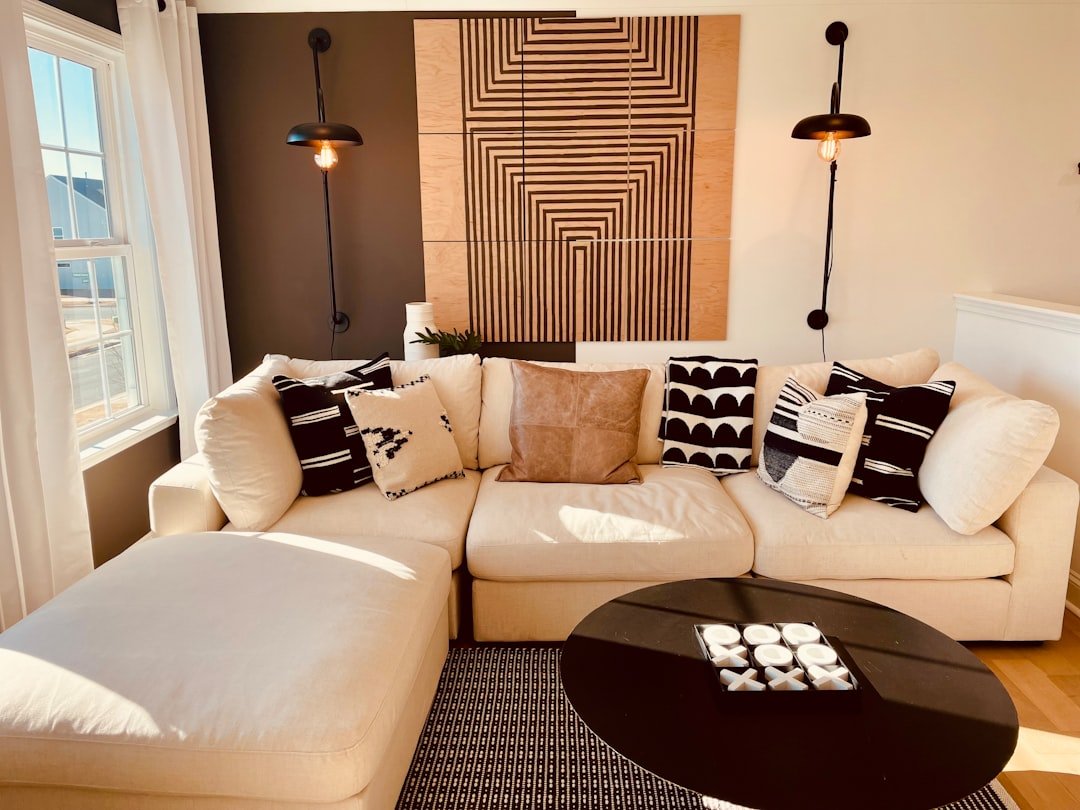
If your living room includes a desk, give that area its own task lamp rather than relying on the room’s ambient lighting. A focused lamp helps the workspace function during the day without forcing the whole room into bright work mode at night.
For layout ideas, our home office ideas guide covers desk placement, video-call backgrounds and compact work zones.
17. Choose portable lamps for rentals
Renters can get most of the benefits of layered lighting without changing wiring. Use plug-in sconces, floor lamps, table lamps and rechargeable accent lights to create the same ambient-task-accent structure.
Our apartment decor ideas guide includes more renter-friendly ways to personalize a space without permanent construction.
18. Use lighting to warm a beige or neutral room
Neutral rooms can look washed out under cool or overly bright bulbs. Warm lamps bring back the difference between cream, taupe, oak, linen and stone, which is why lighting is so important in low-contrast interiors.
If your palette is beige, our beige interior ideas guide shows how to layer warm materials without making the room feel flat.
19. Keep TV glare under control
Do not place a bright lamp directly opposite the television screen if it creates reflections. Instead, move lamps to the sides of the seating area and keep the brightest sources outside the main viewing angle.
A dim lamp behind or beside the TV can reduce the harsh contrast between a bright screen and a completely dark wall, but it should remain subtle.
20. Create an evening lighting scene
The best test of a living room lighting plan is what happens after sunset. Try switching off the overhead fixture and using only the lamps and sconces you actually want for an ordinary evening.
If the seating area is comfortable but a corner disappears, add one low source there. If reading is difficult, improve task light rather than making the entire room brighter. This final adjustment is usually what turns a collection of fixtures into a working lighting plan.
How many light sources should a living room have?
There is no universal number because room size, ceiling height and use all matter, but most living rooms benefit from several separate sources rather than one central fixture. A practical starting point is one ambient source, one or two task lights near seating, and one or two accent sources for walls, shelves or dark corners.
Common living room lighting mistakes
Relying only on recessed or overhead lighting. It can make the room bright but visually flat.
Using bulbs with noticeably different color temperatures. Mixed warm and cool light can make finishes look inconsistent.
Placing bare bulbs in direct sightlines. Diffusers and shades are more comfortable around seating.
Forgetting dimmers. A fixture that works for cleaning may be too bright for relaxing.
Ignoring dark corners. One small lamp can make the whole room feel more complete.
Frequently asked questions about living room lighting
What color temperature is best for a living room?
For most homes, 2700K to 3000K gives a warm appearance suitable for relaxing and conversation. The exact choice depends on wall colors, daylight and personal preference.
Should all living room lamps match?
No. Matching lamps can create symmetry, but mixed lamps often look more collected. Keep one or two elements consistent, such as shade color, bulb warmth or metal finish.
Are recessed lights enough for a living room?
They can provide useful ambient light, but most rooms feel more comfortable when recessed lighting is combined with lamps or sconces at lower heights.
Where should floor lamps go?
Good locations include beside a reading chair, at the end of a sofa, behind a sectional or in a dark corner. The shade should sit where it lights the task without shining directly into seated eyes.
How do I light a small living room?
Use slim floor lamps, plug-in sconces and small table lamps to distribute light without taking much space. Avoid relying on one intense ceiling source.
Where to start
Begin with the seat you use most. Add a comfortable task light there, then look across the room after dark and identify the corners, walls or shelves that still disappear. Build outward from those needs rather than buying several decorative fixtures first.
For more room-by-room inspiration, browse our Lighting Ideas category and pair your lighting plan with the color guidance in our neutral living room ideas.