18 Vintage Decor Ideas That Make a Home Feel Collected, Not Themed
Vintage decor works best when a room looks like it developed over time, not when every piece belongs to the same decade. Start with one or two older pieces that have visible character, then balance them with simpler modern furniture, practical lighting and enough open space to let each object matter.
That collected approach is especially relevant in 2026. The 2026 U.S. Houzz Fall Design Trends Report describes a shift toward warmer, layered interiors with vintage pieces, natural materials and rooms that feel assembled over time. Good Housekeeping’s 2026 vintage trend coverage likewise highlights aged woods, vintage lighting, grouped art and mixed furniture eras.
How to mix vintage decor with modern pieces
A useful starting rule is to let roughly 20% to 30% of the visible room carry obvious age or patina while the rest stays quieter. Treat that as an editing guide, not a formula. One antique chest, an old rug, a brass lamp and a few framed landscapes can create convincing depth without turning a living room into a period set.
Connect old and new through color, scale or material. A walnut sideboard can relate to a new oak coffee table through warm undertones. An ornate brass mirror can feel intentional beside contemporary lighting when another small brass detail repeats nearby.
18 vintage decor ideas for a layered home
1. Start with one vintage anchor piece
Choose one item large enough to establish character: a wood dresser, sideboard, dining table, leather chair or cabinet. Let that piece be noticeably older, then surround it with simpler furnishings. This gives the room a focal point without over-styling it.
2. Mix wood tones instead of matching them
Vintage rooms rarely contain perfectly matching wood. Combine walnut, oak, pine or mahogany by paying attention to undertones rather than species. Warm woods generally sit comfortably together when one tone repeats in a frame, lamp base, shelf or side table.
If your room feels too pale, the richer woods in our brown living room ideas can help build depth without making the space feel heavy.
3. Add an aged or vintage-style rug
A faded-pattern rug is one of the fastest ways to make a new room feel less showroom-perfect. Look for traditional motifs, softened contrast and colors already present elsewhere in the room. In a small living room, keep the rug large enough to connect the main seating instead of floating beneath only the coffee table.
Use our living room rug sizing and placement guide if you are deciding between common 8-by-10-foot and 9-by-12-foot layouts.
4. Use vintage lighting as functional sculpture
Table lamps, pendants and sconces are ideal vintage additions because they provide function as well as character. Ceramic bases, pleated shades, milk glass, brass and aged metal finishes can soften very modern furniture. Have genuinely old fixtures inspected and rewired by a qualified professional when their wiring, sockets or insulation are questionable.
For brightness and bulb-temperature planning, see our guide to layered living room lighting.
5. Create a gallery wall with older-looking art
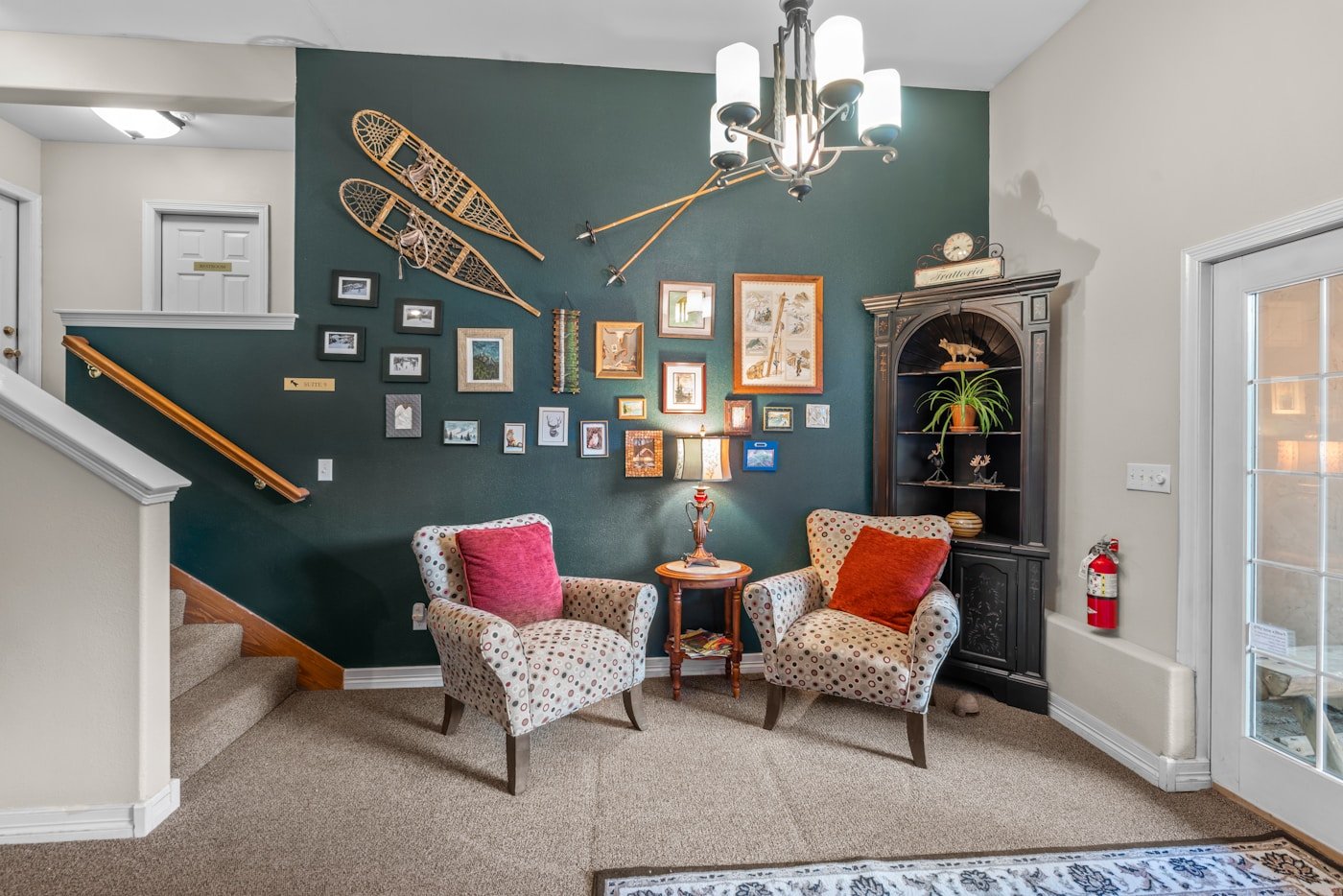
Group landscapes, botanical prints, portraits, sketches or family photographs in frames that vary slightly in finish. Start with the largest piece around eye level, build outward and leave deliberate spacing of roughly 2 to 4 inches between neighboring frames.
6. Choose a vintage mirror for instant depth
An aged wood, painted or gilt mirror introduces shape and patina without occupying floor space. It works especially well in entryways, dining rooms and smaller living rooms. Position it where it reflects daylight, artwork or an attractive part of the room rather than clutter.
7. Pair old furniture with clean upholstery
If a carved chair, bench or sofa frame already has plenty of detail, choose a quieter upholstery fabric. Linen-look solids, ticking stripes and small-scale checks often bridge traditional furniture and contemporary interiors more easily than ornate fabric on an ornate frame.
8. Style with vintage glass, pottery and metal
Small pieces are a low-commitment way to begin. Try amber or colored glass, stoneware, brass candlesticks, silver-plated trays, copper bowls or handmade-looking ceramics. Group two or three items at different heights instead of scattering many small objects across every surface.
9. Add a vintage trunk or chest
An old trunk can become a coffee table, blanket chest or end-of-bed storage piece. Before using it around children, check for heavy self-closing lids, sharp hardware and unstable hinges. If it is delicate or valuable, use it primarily as display or low-use storage.
10. Bring old-world texture to the walls
Limewash, plaster-like finishes, panel molding and linen or grasscloth wallcoverings support vintage furniture because they remove the flatness of plain drywall. One textured wall behind a dresser, bed or fireplace can be enough.
Our textured wall ideas compare plaster, limewash, wood, stone and wallcovering options in more detail.
11. Combine vintage pieces with warm neutrals
Cream, mushroom, taupe and warm beige give antique woods and aged metals room to stand out. Add olive, rust, oxblood, dusty blue or muted ochre through pillows, art and textiles so the room does not flatten into brown and beige.
If you need a base palette, our warm neutral home decor guide shows how to layer beige, greige, cream and wood tones.
12. Use vintage textiles in small doses
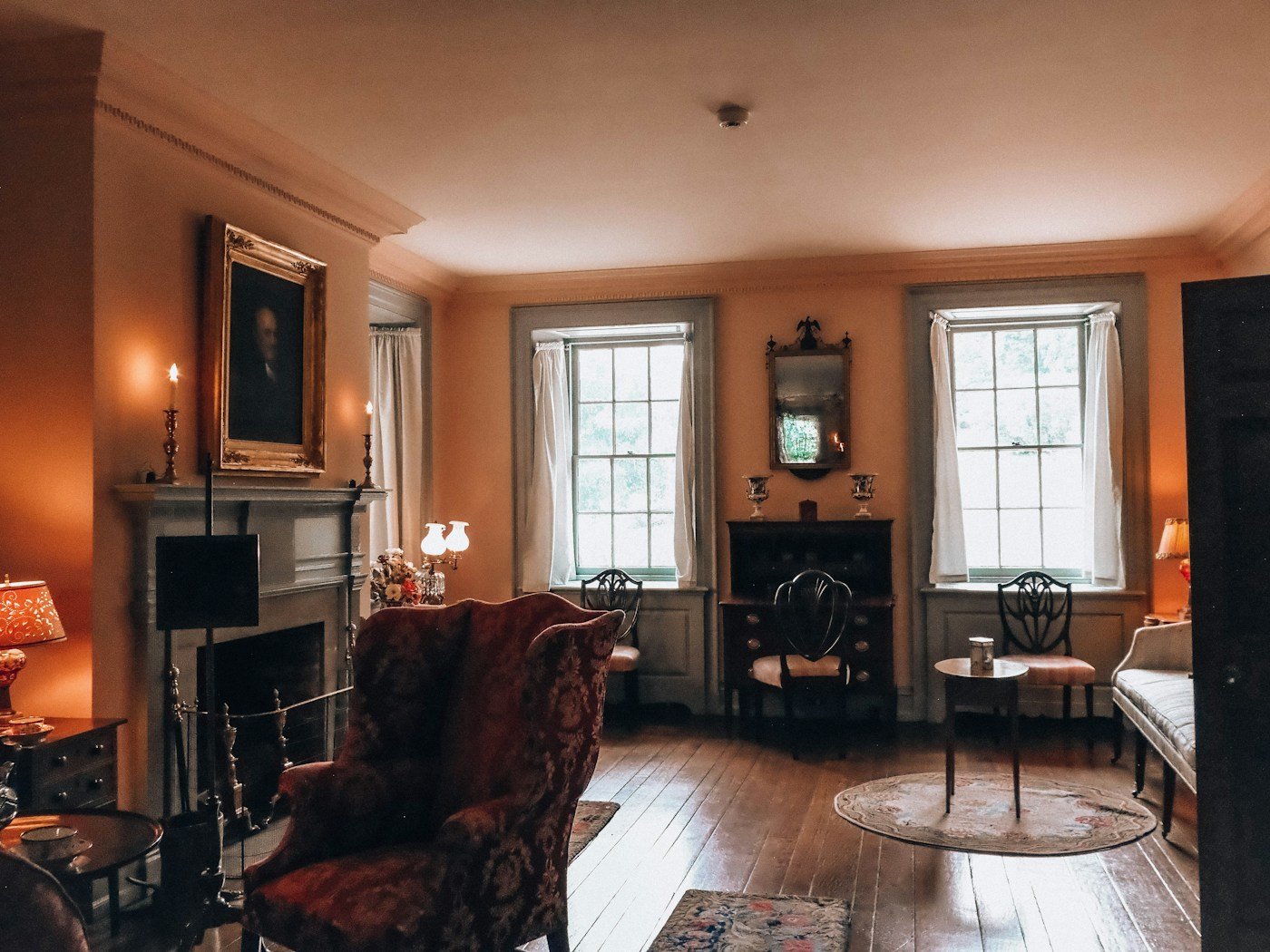
Quilts, embroidered linens, tapestry-style cushions and patterned throws can add history quickly. Keep the surrounding bedding or upholstery simpler so the textile reads as an accent rather than a theme.
13. Style bookshelves with useful old objects
Bookcases are ideal for smaller vintage finds because you can mix them with books and negative space. Try a pottery bowl, small framed picture, old box, brass object or glass vessel. Leaving roughly a quarter of the shelf visually open helps the collection look intentional.
14. Introduce one traditional furniture silhouette
A Windsor chair, pedestal table, wingback chair, spindle bed or skirted stool can give a contemporary room historical shape without forcing the entire room into one style. This works particularly well when the finish is simple and nearby furniture has cleaner lines.
15. Use vintage pieces in a modern kitchen
A new kitchen can feel warmer with an antique stool, framed oil painting, wood cutting board, crock or small freestanding cabinet. Keep older porous pieces away from direct food-preparation zones unless they can be safely cleaned and maintained.
See our warm white kitchen ideas for wood, stone and color pairings that keep light kitchens from feeling clinical.
16. Layer vintage decor into a bedroom
Bedrooms benefit from softer vintage elements: a wood nightstand, pleated lamp shade, framed landscape, quilt, bench or small rug. Keep the sleep zone calm by concentrating the more decorative pieces around bedside tables or a dresser instead of every wall.
Our cozy bedroom ideas offer more guidance on warm lighting, bedding and rug placement.
17. Make vintage work in a rental
Renters can get the look without touching permanent finishes. Focus on furniture, lamps, mirrors, rugs, removable picture hooks, peel-and-stick wall treatments and textiles. A vintage dresser can also replace builder-basic storage while moving with you later.
For more reversible updates, see our renter-friendly apartment decor ideas.
18. Let some imperfection remain visible
Minor wear is often what gives an older piece visual depth. Do not automatically sand away every mark or repaint every worn finish. Clean, stabilize and repair what affects function or safety first; cosmetic patina can remain when it suits the material and piece.
Vintage decor mistakes to avoid
- Buying everything from one era. The room can quickly feel themed instead of collected.
- Ignoring scale. Tiny antique accessories cannot compensate for undersized furniture.
- Overfilling surfaces. Vintage pieces need negative space to look special.
- Assuming old means safe. Check wiring, structural stability, sharp hardware, peeling finishes and fragile glass before everyday use.
- Matching every wood finish. Slight variation usually makes a collected room more convincing.
- Using only brown and beige. Muted green, rust, blue and burgundy keep vintage interiors lively.
A quick room-by-room vintage decor formula
| Room | Best vintage starting point | Modern counterbalance |
|---|---|---|
| Living room | Rug, side table or armchair | Simple sofa and clean lighting |
| Bedroom | Nightstand, bench or framed art | Plain bedding and streamlined storage |
| Dining room | Wood table, cabinet or chandelier | Simple chairs or restrained wall color |
| Kitchen | Stool, art, crock or small cabinet | Contemporary counters and task lighting |
| Entryway | Mirror, console or umbrella stand | Minimal hooks and uncluttered floor space |
FAQ
How do you make vintage decor look modern?
Pair ornate or visibly aged pieces with cleaner modern shapes, repeat one or two colors across old and new items, and leave enough open space around vintage pieces. Contrast usually works better than trying to disguise the age difference.
How many vintage pieces should a room have?
There is no fixed number. Start with one substantial item and two or three smaller accents, then stop and assess the room. The goal is character, not a quota.
What vintage decor is easiest to use?
Mirrors, lamps, art, rugs, small wood tables, pottery and decorative bowls are generally easier starting points than large upholstered furniture because they require less space and are simpler to mix with existing pieces.
Can vintage and modern furniture work together?
Yes. They often look best together when something connects them, such as a shared wood undertone, repeated color, similar scale or complementary shape.
Where should you shop for vintage home decor?
Local antique stores, architectural-salvage shops, estate sales, flea markets, consignment stores and reputable online vintage marketplaces can all work. For electrical items, upholstered pieces and anything intended for heavy daily use, inspect condition carefully before buying.
The takeaway
The most convincing vintage interior is not the one with the most old things. It is the one where every older object has a reason to be there. Start with one piece you genuinely like, repeat a material or color elsewhere, add practical modern elements, and allow the room to evolve instead of trying to finish the entire look at once.