18 Fireplace Mantel Ideas That Feel Collected, Not Cluttered
The best fireplace mantel ideas treat the mantel as part of the room, not a shelf that has to be filled. Start with one strong anchor—art, a mirror, a sculptural object or the fireplace material itself—then add only enough supporting pieces to create balance, height and texture.
That approach fits the broader direction of U.S. interiors in 2026. The 2026 U.S. Houzz Fall Design Trends Report points to warmer materials, layered rooms, vintage pieces and more personal interiors. A fireplace mantel is a natural place to use those ideas without making the whole room busy.
Quick answer: how do you style a fireplace mantel?
Use one visual anchor, vary the heights of the supporting pieces, repeat colors or materials already present in the room, and leave some empty space. For a simple formula, try one anchor + one tall object + one lower group + one natural or textural element.
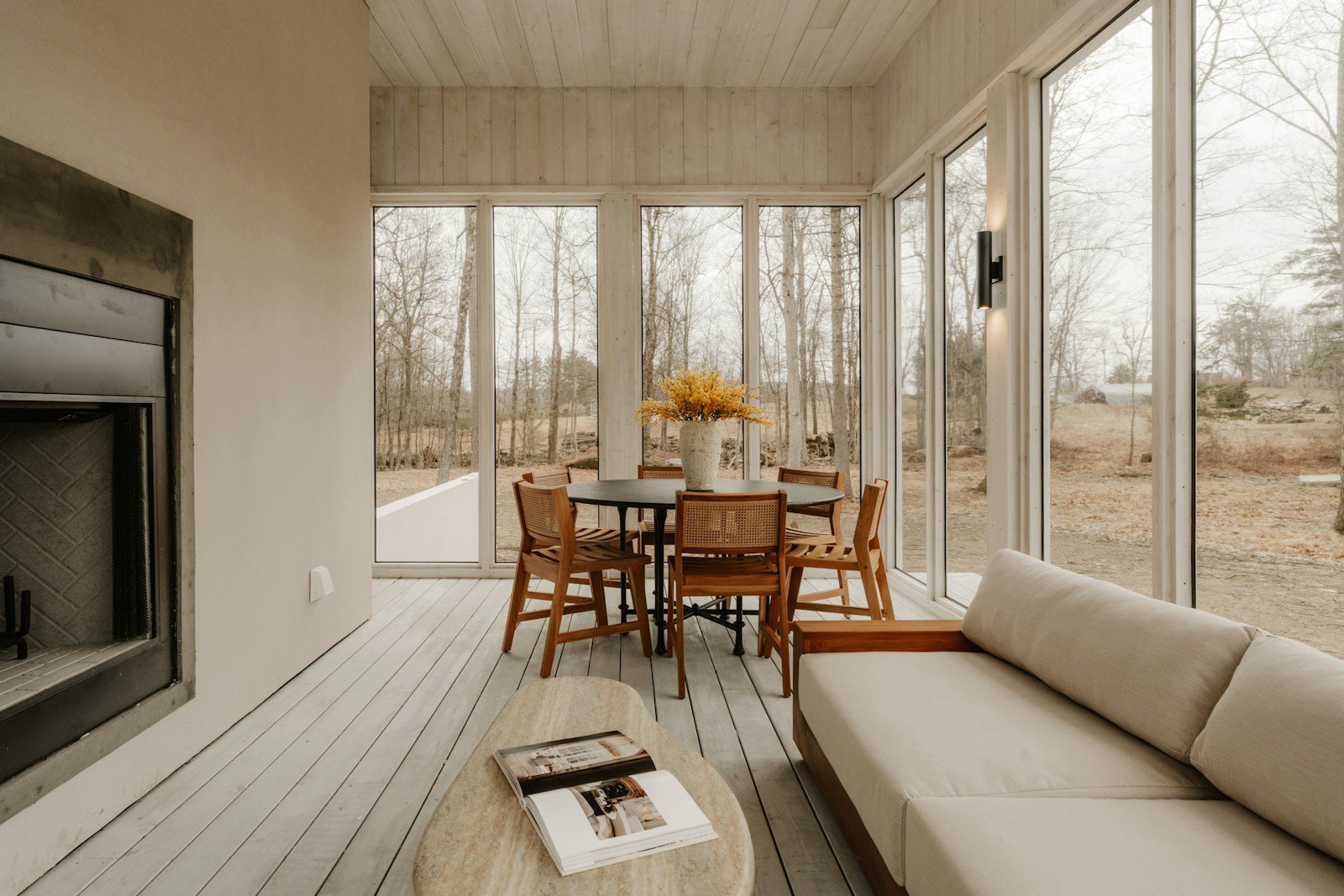
1. Let one oversized piece anchor the mantel
A large artwork, mirror or sculptural wall piece gives the eye somewhere to land. This usually looks calmer than lining the entire shelf with objects of similar size.
Scale the anchor to the fireplace wall rather than the room alone. A tiny frame over a wide mantel can feel disconnected, while a piece that visually relates to the width of the surround helps the composition feel intentional.
2. Use asymmetry for a relaxed, collected look
Instead of matching candlesticks or vases on both ends, place a taller object on one side and a lower cluster on the other. Asymmetry works especially well in rooms that mix vintage and modern pieces because it feels less formal.
Balance visual weight rather than exact height. A dark ceramic vase can carry as much weight as several smaller light objects.
3. Repeat materials already used in the room
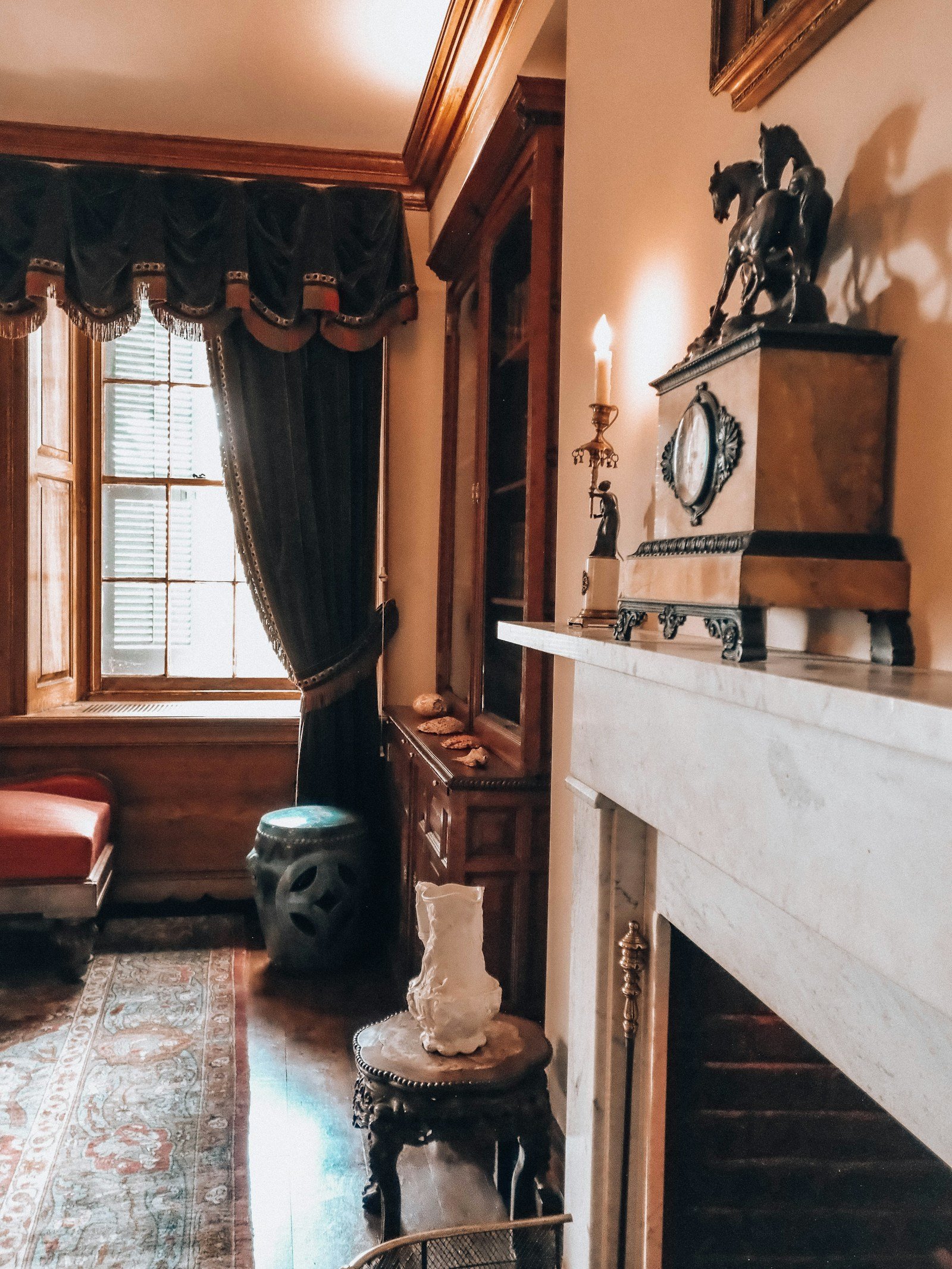
The mantel feels more integrated when it echoes finishes nearby. A walnut shelf can relate to the coffee table, aged brass can repeat a lamp base, and a stone object can connect to the fireplace surround.
This is especially useful in a warm neutral room, where subtle material repetition creates depth without relying on strong color contrast.
4. Keep a natural wood mantel visually simple
Wood grain already adds movement and warmth, so a wood mantel often needs less decoration. Try one framed piece, a ceramic vessel and a pair of candlesticks rather than covering the whole shelf.
Oak, walnut and other medium-to-dark woods pair particularly well with cream, mushroom, olive, brown and terracotta.
5. Add texture with plaster, limewash or stone
If the fireplace wall has a tactile finish, let the surface do some of the decorating. Limewash, plaster, limestone and textured tile can create enough visual interest that the mantel itself stays minimal.
For more finish ideas, see our guide to textured walls.
6. Paint the mantel and wall in one color
Painting the mantel, chimney breast and surrounding wall in one color can make traditional millwork feel more architectural. Warm taupe, clay, olive, brown and muted blue are especially effective when you want depth without a high-contrast white mantel.
This connects naturally with color drenching, where repeated color helps separate shapes read as one composition.
7. Contrast a pale fireplace with dark accents
Black frames, bronze candlesticks, dark pottery or a deep wood mirror can ground a cream or white fireplace. Use dark accents in a few deliberate places instead of scattering them across the entire shelf.
If the rest of the room already uses chocolate or walnut tones, our brown living room ideas show how to keep those deeper colors warm rather than heavy.
8. Layer art instead of hanging every frame
Leaning one or two framed pieces can create a softer, less formal arrangement than hanging a full grid above the fireplace. Keep the number of frames limited and make sure the pieces vary enough in size to read as layers, not clutter.
Do not lean unstable or breakable pieces where heat, vibration, children or pets make the arrangement unsafe.
9. Use a mirror to bring light into the room
A mirror above the fireplace can reflect windows, lamps and other parts of the room, which is useful in darker living spaces. Arched and round shapes also soften the strong horizontal and vertical lines of a mantel.
Check what the mirror actually reflects before installing it. A beautiful frame is less helpful if it mainly reflects a ceiling vent or blank wall.
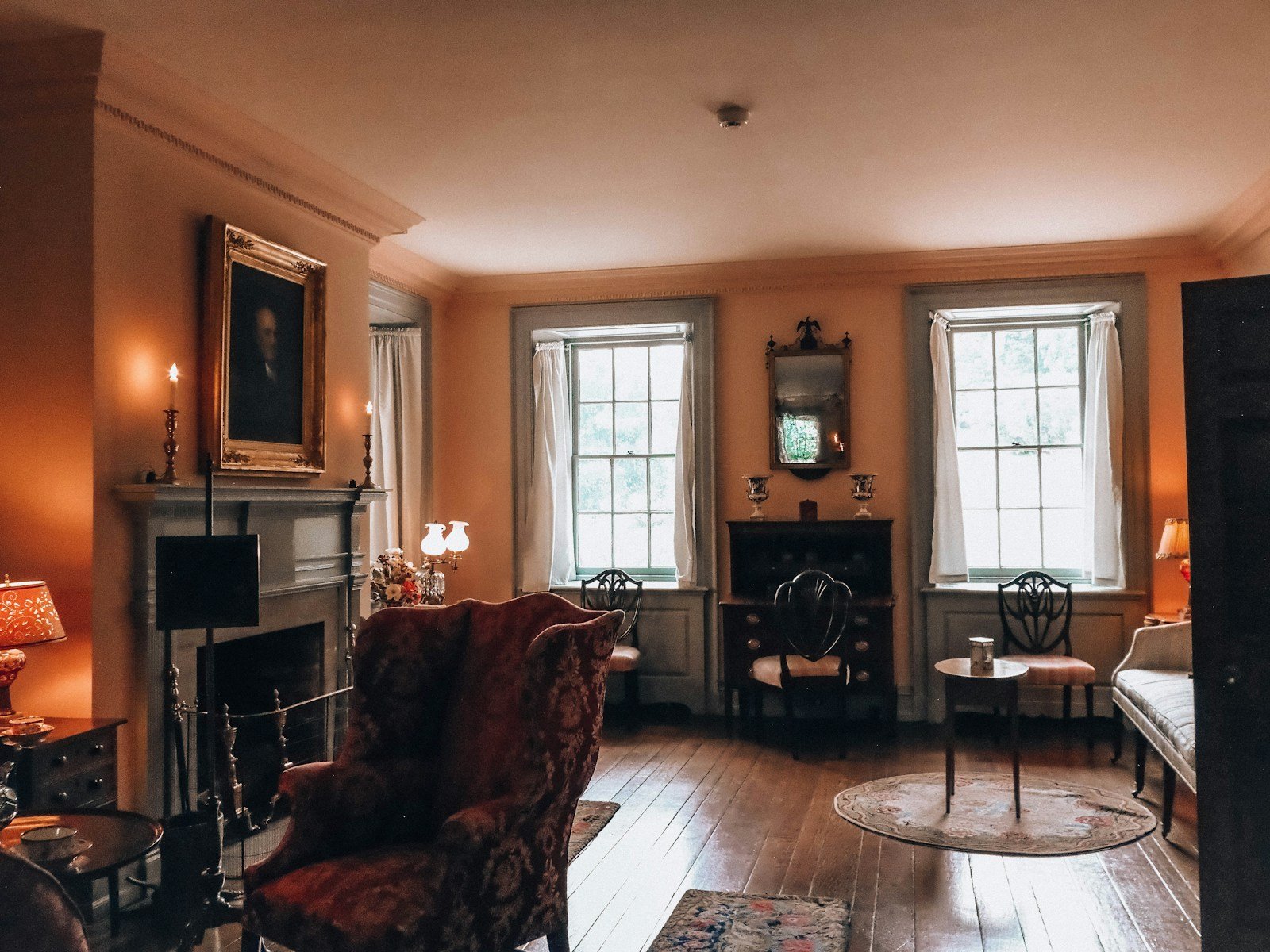
10. Mix vintage and new pieces
A vintage frame, old book, found vessel or small antique can keep a new fireplace from feeling showroom-perfect. Pair older pieces with one or two simple contemporary objects so the mantel feels collected rather than themed.
Current fall design coverage is leaning toward rooms that combine history, texture and personal objects instead of matching sets, which makes the mantel an easy place to start.
11. Style a low mantel with horizontal shapes
If the mantel sits close to a TV or has little wall space above it, avoid forcing a tall composition. Use a low bowl, short vase, narrow artwork or a restrained row of objects that stays within the available height.
Keep electronics, heat clearances and ventilation requirements in mind. Always follow the fireplace and TV manufacturers’ installation instructions rather than relying on a generic clearance number.
12. Let built-ins support the fireplace composition
When shelves or cabinets flank the fireplace, the mantel does not have to carry every decorative idea. Keep the mantel simpler and distribute books, ceramics, art and plants across the adjacent built-ins.
Use the same styling principle as the mantel: vary height, repeat materials and leave some open space.
13. Use fewer, larger objects in a small living room
Small rooms often look calmer with two or three substantial mantel pieces instead of many miniatures. A single mirror plus a vase may be enough.
Pair that restraint with correctly scaled lighting and rugs; our living room lighting ideas and living room rug guide can help the rest of the room feel balanced.
14. Bring in greenery without turning the mantel into a garden
One leafy branch, a small potted plant or a seasonal stem arrangement can soften stone and wood. Choose scale based on the anchor piece and avoid blocking artwork or crowding the fireplace opening.
With a working fireplace, keep foliage and other combustible decorations safely away from heat and flame.
15. Use candlesticks for height—carefully
Candlesticks are useful because they add vertical rhythm without much visual mass. Mix two or three heights rather than using a long identical row.
If you use real candles, keep them away from anything that can catch fire and never leave them unattended. The U.S. Consumer Product Safety Commission advises keeping lighted candles away from combustible decorations, curtains and furniture.
16. Add seasonal decor without rebuilding the whole mantel
Keep a year-round base—such as artwork, a mirror and candlesticks—then change one or two small elements with the season. In fall, that might be branches, rust-colored textiles or a ceramic vessel in a deeper tone.
Our autumn color palettes can help you bring in seasonal color without defaulting to a fully themed display.
17. Use pattern around the mantel, not necessarily on it
If wallpaper, a patterned chair or a strong rug already surrounds the fireplace, keep the shelf comparatively quiet. Pattern can frame the mantel more effectively than adding another layer of small objects directly on it.
For bolder rooms, use the scale principles in our pattern drenching guide so prints share a clear color relationship.
18. Leave part of the mantel empty
Negative space is part of the composition. A mantel does not need an object every few inches, and leaving some shelf visible makes the pieces you do use feel more important.
If the fireplace surround has beautiful stone, brick, plaster or woodwork, the most successful styling may be the simplest.
A simple mantel styling formula
| Element | Purpose | Examples |
|---|---|---|
| Anchor | Creates the main focal point | Art, mirror, sculptural wall piece |
| Tall accent | Adds vertical movement | Vase, candlestick, branch |
| Low group | Balances the composition | Books, bowl, small framed piece |
| Texture | Adds warmth and depth | Wood, stone, ceramic, woven object |
| Open space | Prevents visual clutter | Visible mantel surface between groups |
Common fireplace mantel mistakes
- Using too many small objects of similar height.
- Choosing an anchor that is too small for the fireplace wall.
- Decorating the mantel without repeating any colors or materials from the room.
- Ignoring what a mirror reflects.
- Overfilling the mantel when the surround already has strong texture or pattern.
- Using combustible greenery, paper or fabric too close to a working fireplace.
- Assuming one universal clearance applies to every fireplace or TV installation.
Fireplace mantel safety basics
Decorative advice should never override the appliance instructions or local code. Follow the fireplace manufacturer’s required clearances for combustible materials, keep decorations away from flame and excessive heat, and use a protective screen where appropriate for an open fireplace. The CPSC also advises keeping combustible materials away from fireplaces and preventing sparks from reaching nearby furnishings.
Frequently asked questions
What should I put on a fireplace mantel?
Start with one anchor such as artwork or a mirror, then add a tall object, a lower group and one textural or natural element. You do not need to fill the entire shelf.
How do I decorate a mantel without making it look cluttered?
Use fewer, larger pieces, vary height, repeat two or three materials from the room, and leave visible space between groups. If the fireplace wall already has strong stone, tile or plaster texture, use even less decor.
Should mantel decor be symmetrical?
No. Symmetry works well in traditional rooms, but asymmetry often feels more relaxed and current. Balance visual weight rather than matching every object exactly.
How high should art or a mirror be above a mantel?
There is no single measurement that works for every fireplace. The right height depends on the mantel depth, anchor size, ceiling height and any heat-clearance requirements. Visually, the anchor should feel connected to the mantel rather than floating far above it.
Can I decorate a mantel above a working fireplace?
Yes, but heat and fire safety come first. Follow the fireplace manufacturer’s clearances, avoid combustible materials near heat or flame, and keep lit candles away from greenery, paper, fabric and other items that can burn.
Image credits: Clay Banks and Magic Fan via Unsplash, used under the Unsplash License.